
Tips for Decluttering Before Moving House
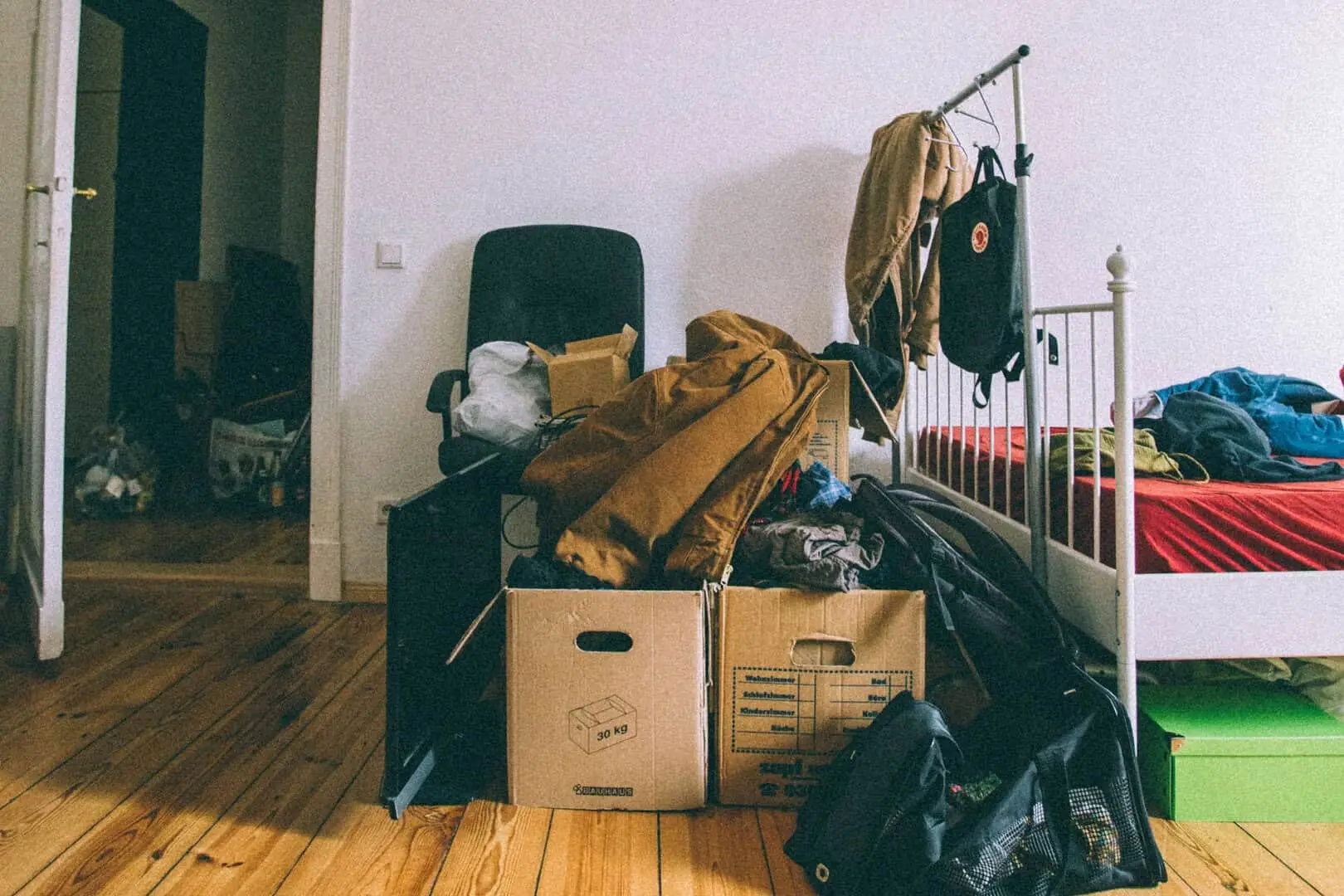
Moving to a new home offers an exciting fresh start, but it also brings the daunting task of sorting through years of accumulated belongings. A major declutter before moving takes time, effort, and strategy — but it pays off in reduced costs, less stress, and a clutter-free new space. Below are top tips for decluttering before moving house that blend smart organisation, eco-friendly choices, and practical strategies to help you let go of unwanted items, save money, and enjoy a smooth transition to your new home.
What Is Decluttering Before Moving?
Decluttering before moving is more than just packing boxes—it’s a strategic process of examining every corner of your home, from the living room to the bedroom, and making intentional decisions about what truly deserves a spot in your life. This stressful task involves sorting, downsizing, and organising your belongings weeks before the big day, rather than scrambling at the last minute. By thoughtfully evaluating each item — whether it’s bulky furniture, sentimental mementos, or everyday gadgets — you create a clear picture of what to get rid of and what to treasure.
Embarking on this journey prepares you to arrive at your new house with only the necessities, ready to enjoy your new place without the burden of unwanted stuff. A comprehensive decluttering plan guides you through categorizing items into keep, donate, sell, or discard, ensuring you won’t waste time or money moving things you no longer need. Ultimately, decluttering before moving transforms an overwhelming chore into an empowering opportunity to start fresh and create a home that reflects who you are today.
Why Should You Declutter Before Moving?
After understanding the benefits of shedding excess belongings, it’s helpful to look more closely at why decluttering before moving pays off in practical, day-to-day terms. The following section dives into four key advantages of a thoughtful decluttering process, illustrating how taking the time to sort your possessions transforms your move from chaotic to controlled.
Decluttering Reduces Moving Costs
Every extra box adds weight, and excess weight inflates furniture and freight charges. By deciding which duplicate items to sell or donate, you’ll carry fewer belongings and need fewer packing materials, leading to significant savings. Plus, when a man and van team sees lighter loads, they often offer lower quotes — so getting rid of nonessential stuff directly impacts your bottom line.
Decluttering Simplifies Packing and Unpacking
With a streamlined inventory, you’ll spend less time labeling boxes and more time on essential tasks. Fewer cartons mean you won’t wonder how much storage space you truly need at your destination. Having pared down to only what matters, you’ll arrive at your new property without the dread of unpacking an avalanche of miscellaneous items.
Decluttering Reduces Stress
Sorting through your possessions ahead of time — rather than on moving day — gives you breathing room and mental clarity. Knowing exactly what to pack where cuts decision fatigue, so you can focus on logistics instead of last-minute panic. When you’ve started early, the move feels less like a sprint and more like a series of manageable steps.
Decluttering Helps You Start Fresh
Shedding unwanted belongings allows you to step into a new home that reflects your current tastes and needs. By consciously choosing what to carry forward, you clear space — both physical and mental — for fresh ideas about layout, décor, and function. Embracing this idea of a clean slate makes your transition into a new chapter feel inspiring rather than overwhelming.
When Should You Start Decluttering Before Moving?
Knowing when to declutter can make the difference between a frantic scramble and a smooth transition to your new place. Ideally, you should start small as soon as your moving date is set — this isn’t just about finding time to declutter, but about building momentum by tackling minor zones first. Begin with a single drawer or shelf of stuff, and once you see how much lighter it feels, you’ll be motivated to expand your efforts into larger areas like the bedroom wardrobe or garage. Spreading the workload over several weeks prevents burnout and ensures that every corner of your current home receives attention before packing begins.
How Do You Declutter Before Moving?
Embarking on a downsizing mission can stir unexpected emotional responses, but the payoff—feeling liberated and ready for a fresh start—makes every decision worthwhile. View each item through the lens of whether it adds value to your life; if not, it’s time to throw it out or pass it along. Embracing this approach lets you gently part with unwanted items while cherishing the pieces that spark joy. By the end of the process, you’ll not only reduce the number of boxes headed to your new home, but also feel good about creating a clutter-free life that honors what truly matters.
Gathering Decluttering Supplies
Stock up on garbage bags, donation boxes, and sturdy plastic bins. Label each container clearly—Keep, Donate, Sell, or Discard—to avoid mixing categories.
Using the Four-Category Method for Sorting
What to Keep: Items you use regularly or love — think everyday dishes, bedding, and electronics.
What to Donate: Good-condition clothes, holiday decorations, and small appliances can find new life through charity pick up services.
What to Sell: Valuable items like furniture or gadgets can earn you extra cash via online marketplaces or a garage sale.
What to Discard: Broken toys, expired pantry items, and damaged packing materials go straight to the garbage.
Working Room by Room
Tackling one room at a time prevents chaos. Focus on a single surface — an entire shelf or drawer — before moving on. Quick wins like your junk drawer boost motivation.
Tackling Hotspot Areas
Decluttering Junk Drawers – Empty contents onto a flat surface. Sort pens, receipts, and random hardware into categories. Dispose dried-out markers and useless bits of garbage.
Decluttering Kitchens Before Moving – Sort through expired spices, chipped dishes, and half-used food containers. Donate duplicates of rarely used gadgets to free up cabinet space.
Decluttering Garages and Storage Spaces – Allocate bulky items into “keep” or “sell/donate” piles. Consider renting a skip or scheduling a donation pick up for large loads.
Applying the Use It or Lose It Rule – If you haven’t used an item in the past year, it’s a prime candidate to get rid of. This rule streamlines decisions on seasonal or specialty items, such as holiday décor or sports equipment.
Managing Papers and Photos – Digitise important documents and family photos to reduce physical clutter. Shred or recycle outdated bills and old school papers as you go.
Considering Bulky and Large Items – Measure tackle items like sofas, armoires, or a pool table against the dimensions of your new home. If they won’t fit or serve a purpose, sell or donate them — saving on both moving and storage costs.

What Are Best Practices for Decluttering Before Moving?
Involving Family Members – Assign each household member their own room and task list. Encourage kids to select clothes and toys they no longer love, turning the clean up into a team effort rather than a solo chore.
Handling Items with Sentimental Value – Sentimental items require extra care. Limit keepsakes to a single memory box per person and photograph bulky mementos you can’t store.
Streamlining Inventory for Moving – Create a simple spreadsheet or checklist of packed items per room. An organised inventory helps you locate essentials quickly post-move and confirms nothing gets left behind.
Utilizing Professional Organisers – If the process feels overwhelming, consider professional help. A trained organiser brings proven tips for clearing out your home efficiently and can guide you through every step of the purge.
Printable Decluttering Checklist for Moving House
Use this checklist to guide your decluttering before moving. Print it out and cross out each item as you complete it.
1. Planning & Timeline
- Set your moving date and mark it on the calendar.
- Create a timeline: start small 6–8 weeks before moving.
- Break the decluttering process into weekly tasks by room or category.
- Block out 1–2 hour sessions each week for specific areas.
- Schedule family members’ involvement dates.
2. Supplies & Preparation
- Gather garbage bags for Discard items.
- Prepare boxes or bins labelled: Keep, Donate, Sell, Discard.
- Have packing materials ready: bubble wrap, packing paper, tape.
- Measure major furniture and room dimensions in your new place.
- Download or print an inventory template for tracking packed items.
3. Four-Category Sorting Method
For each room or zone, sort items into:
- Keep: Daily essentials, sentimental items, quality furniture.
- Donate: Clothes in good condition, duplicate items, holiday decorations.
- Sell: Valuable gadgets, unwanted stuff in good condition, large items.
- Discard: Broken objects, expired products, damaged packing materials.
4. Room-by-Room Tasks
-
Living Room
- Review electronics and cables—keep only what you use.
- Check bookshelves for unread or duplicate books.
-
Bedroom
- Empty your wardrobe: separate out clothes you no longer wear.
- Sort bedside tables and drawers (junk drawer clean up).
-
Kitchen
- Dispose of expired pantry items.
- Donate or sell duplicate dishes, appliances, and utensils.
-
Bathroom
- Dispose of old cosmetics and toiletries past their expiry.
- Keep only essentials for first-night use in your new home.
-
Garage & Storage
- Group tools and equipment—discard rusted or broken items.
- Rent a skip or arrange a donation pick up for large loads.
5. Special Decluttering Rules
- Use It or Lose It: If unused for 12 months, let it go.
- 12-12-12 Rule: Donate 12 items, dispose 12 items, re-organise 12 items.
- Digitize: Digitise important documents and photos; recycle or shred the rest.
6. Final Steps
- Create a detailed inventory of “Keep” items by room.
- Label each moving box with its contents and destination room.
- Pack a “First Night” box with essentials (clothes, toiletries, chargers).
- Confirm donation and pick up schedules.
- Review and adjust your checklist as you go.
Keep this checklist handy during your decluttering process to stay organised, reduce stress, and ensure only what you truly need makes it to your new home.
Visit the W & WMovers blog to discover more helpful tips and essential information for your move!
Frequently Asked Questions (FAQ)
Identify 12 items to donate, 12 to dispose, and 12 to return to their proper home. It’s a quick-start method to reduce clutter and build momentum.
Absolutely. Decluttering before moving saves money, reduces packing time, and eases stress, making the whole process smoother.
Ask yourself how you’ll feel about an item in 10 days, 10 months, and 10 years. If it doesn’t add value across those timeframes, it’s time to let go.
If more than half of a storage space — like a storage unit or closet — is filled with unused items, it’s a sign to purge at least 50% of its contents.
Remember to cancel utilities and subscriptions you no longer need, such as cable TV or internet at your old property. This isn’t a decluttering step but ensures you don’t pay for services you won’t use.
Keep essential items — medications, chargers, a change of clothes, toiletries — separate from packed boxes for easy access on moving day.
Contact service providers for electricity, water, gas, trash pickup, and any local subscriptions tied to your address. Notify banks and auto-pay services of your new address.
Kitchens often take the longest due to fragile dishes, a wide array of appliances, and unused pantry goods.
Begin with hotspots and small spaces like junk drawers, then move to larger areas — closets, garages, and storage rooms.
Don’t wait until the last minute — delaying leads to rushed decisions and more clutter making the cut.
Use a multi-pronged approach: apply the “12-12-12” rule, tackle one room at a time, sell or donate in bulk, and involve friends or professionals for extra hands.