
A day in the life of a removals driver
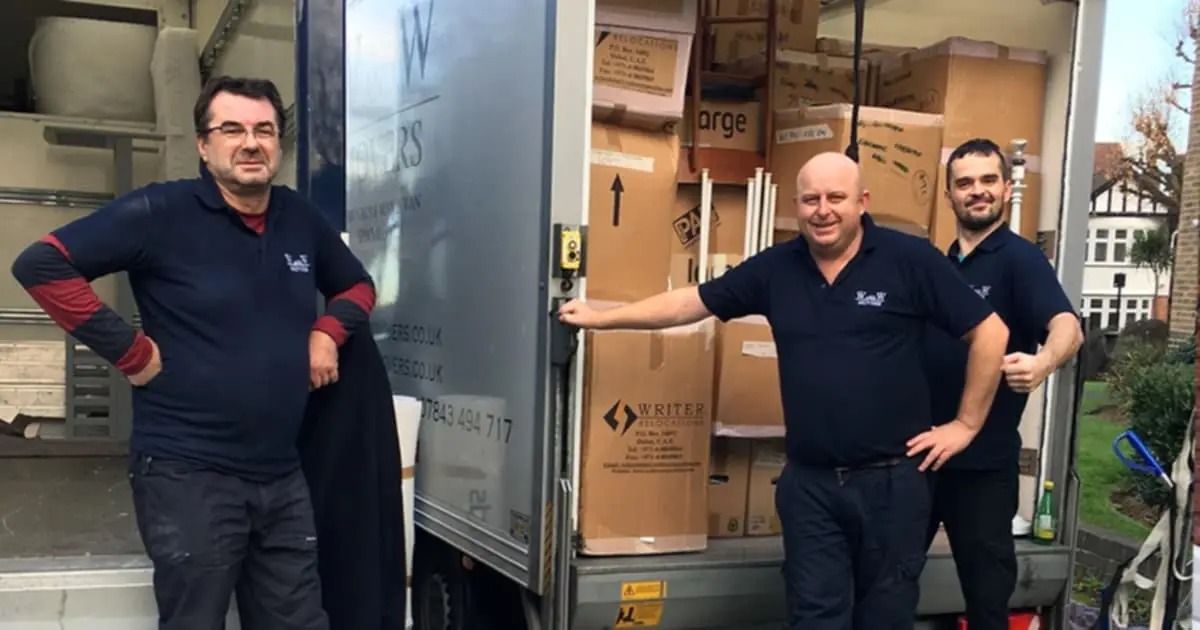
You see job advertisements for it, in their masses. Vehicles ranging from 3.5 tonnes all the way up-to 44 tonnes – some people have a little, some have a lot, but at the end of the day it’s got to be moved. When you’re moving home, you might fancy it yourself. Cut the costs and save some money, but is it worth leaving it to the professionals? You decide! A removals driver plans the route and parking, protects and loads furniture and boxes safely into the van, secures the load for transit, and unloads everything into the right rooms at the new address.
It’s not really fair to call them a removals driver, because they’re so much more than that! Being able to do the job requires they are physically fit and able, and drivers are always developing their skills through courses and on the job learning. They’re also got to be smart, friendly, polite and professional all at the same time! But what does the day of a removals driver entail?
Up early, morning coffee/tea and out, sharpish!
Some removals are all day jobs, especially when packing is involved. It’s important in many cases that the full removal is able to be carried out on the day. Bare in mind these guys have got to cross paths between home a and home b, so it’s important they leave time for traffic or anything else that gets thrown at them on today’s fierce roads! But we’ve not even got to that bit yet. They’ve got to prepare to move a full wagon/vans capacity from the customers home, and let’s not forget many of these items are heavy, and on the other end of the scale, some are delicate. They can be caught moving anything from any level including the loft and items from white goods to heavy boxes, furniture pieces and we’ve even seen them moving a piano… You just never know what you’re going to find!
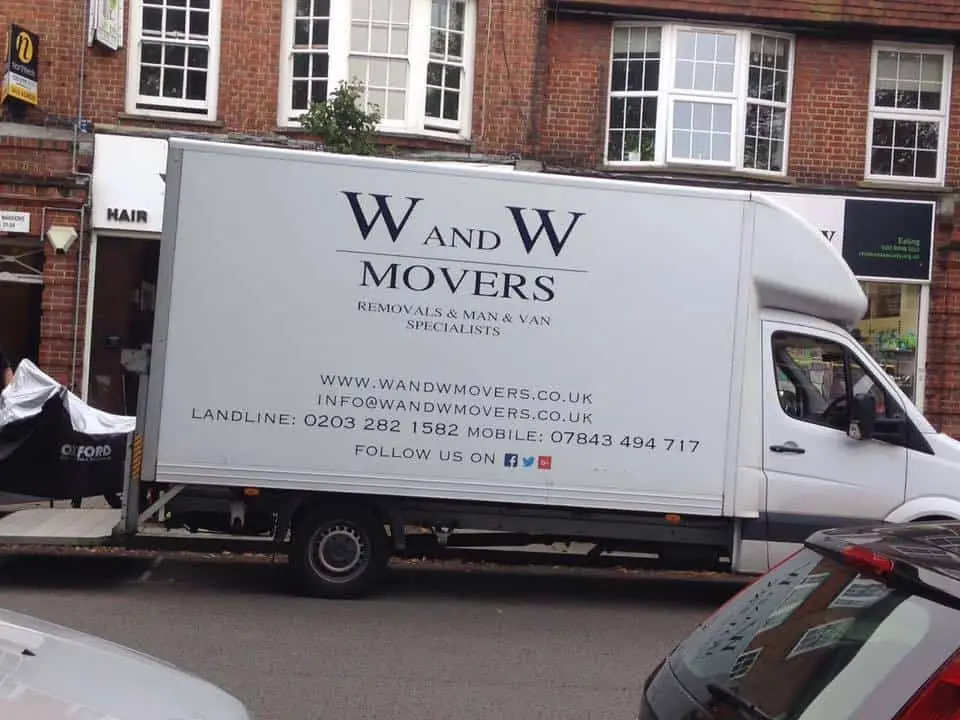
Now it’s time to secure and go!
An integral part before a driver just jumps in and heads off. It’s of great importance that the van is checked to make sure that items loaded are secure. if not this can lead to damage in transit, and nobody wants that! They use ratchet straps amongst other devices and their awesome packing skills to ensure nothing can move and thus preventing damage. Short distance journeys are easy, as we don’t have to stop. On longer drivers, it’s important that we stick to the driving time regulations, taking breaks and pit-stops when required to prevent fatigue.
Once we’ve arrived at our destination though, it’s pretty much the opposite of packing! We assist or offer a complete service to our customers when it comes to unpacking the load on delivery. This can mean assembling and placing furniture, or lifting all the heavy items up-stairs. You know how it goes too, taking things apart is easy… but putting it back up. Not always so straight forward! We literally get the home looking like a home; unless of course no help is required, in which case we’ll unpack and off we go!
Whilst this is a very short synopsis of the daily life of a van driver, it gives you an insight into the responsibilities that they have to undertake on a daily basis to keep everything running smoothly and home moves stress free.
Working as a Removals Driver: Common Questions
A removals driver does far more than drive. They plan the route and parking, help pack and protect furniture, carry and load items, secure the load so nothing moves in transit, then unload and place everything in the right room. On many jobs they also lead the crew and are the customer’s main contact on the day.
It depends on the van’s weight. A standard UK car licence (category B) covers vehicles up to 3,500 kg maximum authorised mass, which includes many Luton vans. Heavier removal lorries need a category C1 or C licence. Check the exact categories on gov.uk before hiring or driving a larger vehicle.
Physical fitness and safe lifting technique come first, followed by careful packing and load securing. Good removal crews also need patience and clear communication, because moving day is stressful for customers. Drivers add route planning, safe driving of a large vehicle and knowledge of local parking rules.