
How to Reserve Street Parking for Moving?
When getting ready for a new house move, the first step is to arrange a parking permit or parking bay suspension from your local council. Whether you are in London or another city, regulations vary slightly, so it’s crucial to search for rules to arrange parking for your removal van at your new house or current property. Don’t worry if the process seems complex; planning ahead solves most issues.
In most municipalities, you will need to apply ahead of time for a parking suspension. This allows you to arrange a dedicated parking space temporarily. You might also look into dispensation permits, which could enable your removal van or lorry to park in restricted streets, like yellow lines, while loading and unloading on removal day.
- Obtaining these permits involves a cost you must pay,
- You often need to arrange notice a week or more in advance,
- Residents can often find a link online to apply for free parking suspensions.
Additionally, it’s wise to notify your neighbours about your parking arrangements. Some rules allow you to use cones on a road corner to block off parking bays, but you typically need to speak to the council for approval. If the location lacks defined bays, obtain temporary traffic orders to properly reserve a space. Use the local council link to arrange the removals without keeping your vehicle waiting.
How Do You Apply for a Moving Parking Permit or Suspension?
To obtain a moving parking permit or request a suspension to arrange your spot, contact your local office for advice. When applying, share specific details regarding your move to arrange the right amount of space, such as:
- The size of your vehicle (specifically the removal van),
- The number of parking bays you’ll need.
Timeliness is crucial; submit your application at least ten business days ahead of moving day. This allows you to arrange the request without hitches. Some local offices might ask for a link to documentation or details like:
- Proof of residency,
- The date of your scheduled move.
Once your request is granted, you’ll see ‘No Parking’ signs to post officially to indicate the reserved bays, ensuring your removal day starts well.
When Should You Apply for a Moving Parking Permit?
To facilitate a hassle-free experience, arrange a parking permit well in advance—ideally, ten days prior to your moving day. In a busy London borough, submit your application weeks ahead. Doing so handles permit requirements and helps avoid a penalty charge. An early application gives ample time to make necessary arrangements.
Keep in mind that notice periods vary. By applying early, you can inform neighbours and coordinate orders to arrange the streets for the removal van. This reduces last-minute removals complications. If collaborating with a removal company, they are well-versed in regulations and can provide advice on the timing to arrange your parking permit. Taking these steps early enhances your chances of securing the parking space you’ll need on removal day.
What Information Is Needed for a Moving Parking Permit Application?
To successfully arrange a moving parking permit, provide these details:
- Date of your move,
- Address of the property where parking needs to be suspended,
- Size of your removal van,
- Number of removals vehicles involved,
- Exact parking space or road area you’re targeting.
This information gives an indication of how many parking bays you should reserve. If requesting residential parking bays, present proof of residency. Include contact details and the name of your removal company. Some London councils might request a loading plan to facilitate parking for the morning of the first day. Informing neighbours about the parking suspension helps arrange the street to minimize disputes.
What Are the Costs Associated with Reserving Street Parking for Moving?
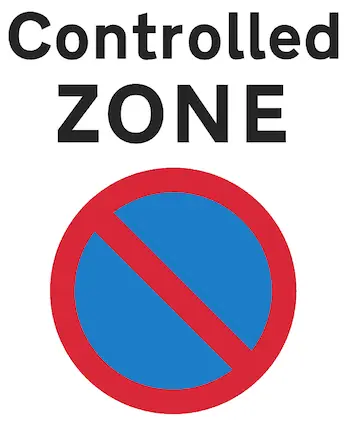
What is the cost to arrange parking? Fees to arrange a parking suspension vary by local council, the Controlled Parking Zone (CPZ), how many bays you reserve, and how many days the suspension runs. To arrange bookings for additional bays or extend for extra days, councils usually charge per bay, per day.
Factor in any administrative fees or notice-period surcharges the council might impose. In certain instances, residents benefit from discounted or free suspensions for specific purposes, so always check your local council’s current tariff page before booking. You can also review our parking policy and use our quote calculator when planning your move.
If you need temporary traffic orders to arrange removal van access, extra charges apply. While visitor permits are an option, they do not guarantee a reserved spot. Not adhering to permit rules leads to a Penalty Charge Notice. Contact your local council for precise fee schedules to arrange your removals.
What Are the Different Types of Parking Restrictions to Consider When Moving?
When planning a move, familiarize yourself with parking restrictions to arrange plans. For example, yellow lines indicate prohibited areas, while red routes prohibit stopping unless you obtain a special parking permit.
You may encounter residents-only parking bays, requiring a valid permit. London has many such zones. There are guidelines on how long removal vans can remain parked. Loading bays have strict time limits for unloading.
If hiring a removal vehicle, note that company branded vehicles are subject to different rules. This distinction permits longer parking periods to arrange the removals. On the day of your move, parking suspensions might relax restrictions, allowing you to park in limited bays. However, using cones helps arrange this only with prior approval. Parking without permission risks fines or your removal van being towed. Understanding parking regulations helps arrange your move smoothly on moving day.
Can a Removal Company Help with Reserving Parking?
A reliable removal company simplifies the process to arrange parking. They assess needs based on removal van size, determining how many parking bays you require for unloading.
These professionals know local council parking regulations and assist in obtaining permits. This support helps you comply with rules and alleviates stress to arrange your moving day, minimizing parking dilemmas. Clear contact and communication regarding parking arrangements with your removal company is essential. Relying on their expertise helps arrange the day to steer clear of challenges, ensuring efficient removals.
What Should You Do on Moving Day Regarding Reserved Parking?
On moving day, managing reserved parking is essential. Designate your parking space with official ‘No Parking’ signs to post from your local council. These signs validate your reserved spot and warn cars away.
If using traffic cones, check your local council rules. Position them on the road to deter unauthorized cars. Watch the parking space to prevent anyone from occupying the bays. Collaborate with your removal company to use the reserved parking bay for loading and unloading the removal van. This teamwork enhances removals efficiency. Give neighbours a heads-up to arrange a conflict-free day. Adhere to local parking regulations and time constraints to avoid penalties at the house.
What Happens If You Park Illegally When Moving?
Illegal parking causes serious repercussions. You risk a Penalty Charge Notice and fines you must pay. Parking in suspended zones without the right parking permit can get your removal van ticketed or towed, causing delays in removals.
Disregarding loading regulations, like stopping on red lines, is a violation. Using cones to claim parking spaces without authorization to arrange can result in fines. Local councils enforce rules to keep streets orderly. Parking in unauthorized places disrupts plans. Adhering to parking regulations ensures a hassle-free moving experience.
- Getting a penalty charge notice,
- Getting your removal van ticketed,
- Experiencing delays in removals,
- Incurring unexpected expenses,
- Facing conflicts with neighbours.
Are There Alternatives to Reserving a Dedicated Parking Space?
If exploring options to arrange parking instead of a dedicated space, consider these alternatives:
- Visitor permits – a pass often doesn’t guarantee a specific parking space,
- Loading bays – effective for unloading removals in the city,
- Dispensation permits – allow your removal van to park on yellow lines,
- Meters – watch the meters as time limits in meters zones can be a hassle,
- Temporary parking – red routes need permission to arrange access via a link,
- Traffic cones – reserving bays necessitates council approval,
- Open conversations – engaging with neighbours helps discover parking arrangements for the moving process.
Parking Suspensions in West London Boroughs
Each London borough sets its own notice period, daily bay charges, and application rules. Below are the official council pages (verified October 2026) where you can check current fees and apply for a parking bay suspension or dispensation in West and Southwest London:
- Ealing: Ealing Council parking suspensions
- Hammersmith & Fulham: Hammersmith & Fulham parking suspensions and road closures
- Richmond upon Thames: Richmond Council parking suspensions
- City of Westminster: Westminster suspensions, dispensations and skips
- Harrow: Harrow parking suspensions and dispensations
- Wandsworth: Wandsworth parking bay suspensions
- Hounslow: Hounslow Council parking services
For moves in Kensington & Chelsea, Hillingdon, Brent, or Kingston, search for parking bay suspensions directly on your borough council’s website, or check our parking guidelines and contact W & W Movers if you would like help arranging parking for your removal van.
Reserving Parking for a Removal Van: Common Questions
A parking suspension temporarily takes one or more parking bays out of use so that only the vehicle named on the suspension can park there. For a house move, it reserves space for the removal van outside your home on the agreed date. The council puts up signs in advance, and other cars parked in the bay can be ticketed or moved.
Apply to the council that manages the street, usually through its website, giving the address, date, times, number of bays and the vehicle details. Each London borough sets its own rules, fees and notice period, so check your council’s page as soon as you have a moving date. Red routes are managed by Transport for London, not the council.
It can park only where the restrictions allow it. On yellow lines, in residents’ bays or controlled parking zones, a van without a suspension, dispensation or valid permit can be fined while it’s loading. If you can’t get a suspension, tell your removal company exactly where the nearest legal parking is, because a longer carry adds time to the job.
Often, yes. Many removal companies, including W & W Movers, can apply for a bay suspension on your behalf if you ask when you book. You’ll still need to confirm the address, date and access details, and check whether the council’s fee is included in your quote. Ask early, because the council needs notice to put the signs up.