
Our top tips to keeping your pets happy when moving
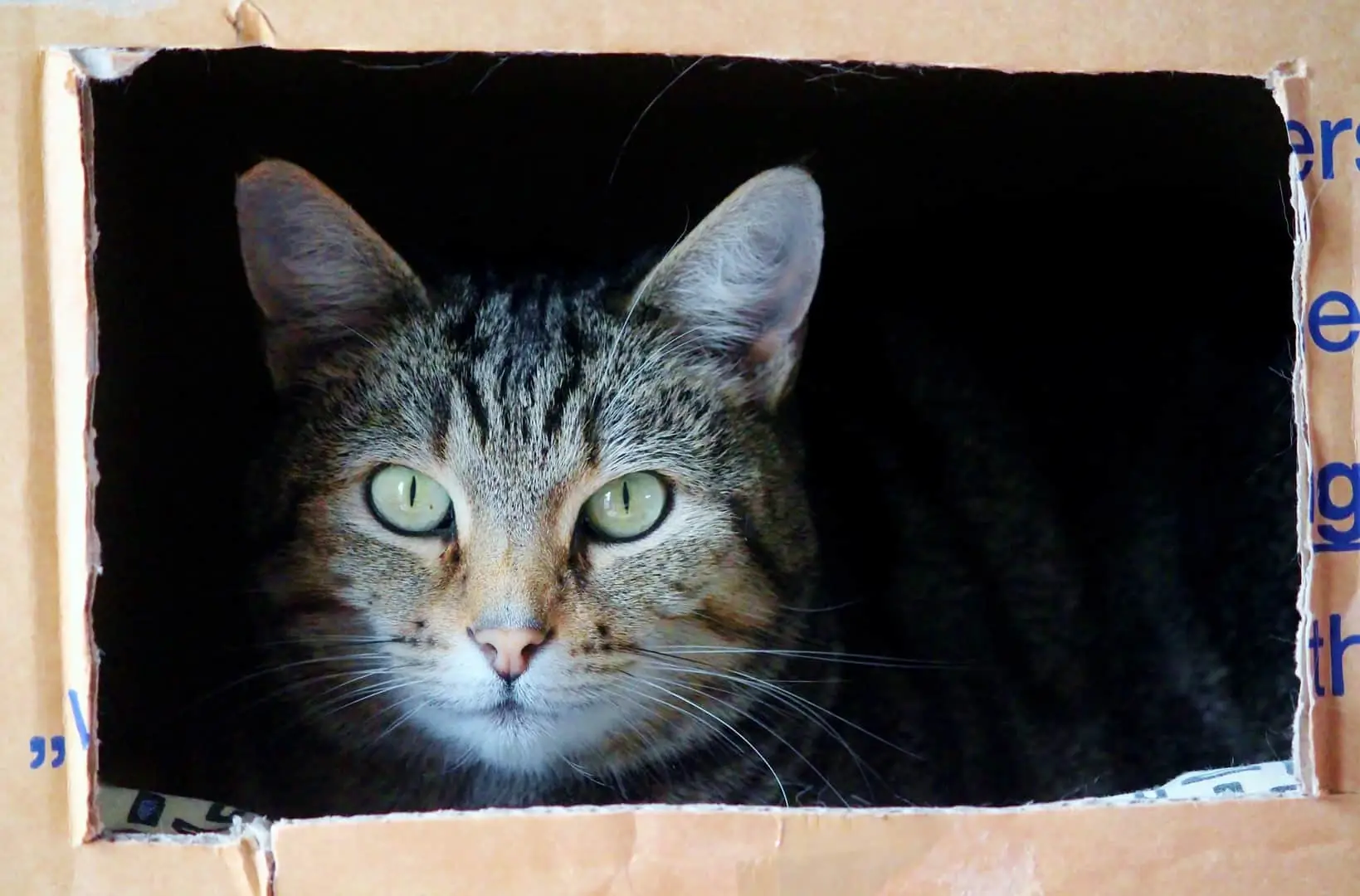
It doesn’t matter if you have a dog, cat, bird, rabbit, or goldfish, for a pet, moving to an unfamiliar new environment could be disorienting and stressful. It is imperative to make their move as comfortable and smooth as possible.
At W & W Movers, we are committed to making your relocation as pleasant and stress-free as possible, and part of this is ensuring our clients face no difficulties when moving with their pets. Here, we’ve compiled some of the best tips and suggestions that can help your move be as pet-friendly as possible!
#1 Contact Your Vet Before Moving With Pets
Before moving house, it is very important to visit your vet to make sure everything is in order. Here’s a checklist of everything you need to do on the visit:
- Regular check-up: To ascertain your pet’s health before a move, to ensure their vaccinations and vaccination certificates are in order, and to perform routine tests – these are all part of the regular check-up with the vet, and they all make moving with pets easier on both you and your pet.
- Stocking up on medicine, and treatment your pet needs: moving house can be hectic, and if your pet has any conditions or illnesses, it is a great idea to stock up on the medicine they need before moving day arrives.
- Treatment for travel sickness: A pet’s travel sickness can get quite serious if it goes unaddressed. If you know your pet is inflicted with it, it is worth visiting your pet to get some treatments that will at least alleviate the symptoms and make your pet more comfortable during the move.
- Sedatives or pheromones: If your pets feel anxious or restive, you can request sedatives or pheromones from your vet that will help calm them down during moving day.
#2 Make Sure the New Home is Pet-friendly
Before you finally move with your pet to the new house, you need to take all the precautions and steps necessary to ensure their new home is ready for them.
- Check out pet laws in your new residence
If you are renting a place or moving across country/state lines, you’re likely going to deal with new laws, regulations, and rules. You need to make sure you both read and adhere to these laws and rules before your pet arrives. Failure to do so will probably result in inconveniences for both you and your pet.
- Make sure a new home is ready for your pet
Whether it is a doghouse or a fish tank, you must prepare a new home for your pet before you move him out of his old one. Moving is already stressful for an animal, having to live in temporary abodes for a few days or weeks will only make things worse! Taking a few familiar things from their old home and putting them in their new one will also help them get acclimated quicker.
- Get in touch with a new vet
Register your pet with a vet local to your new residence before you move to make certain you’re prepared for any eventuality.
#3 Preparations You Need to Make Before Moving Day
Moving can take multiple hours to multiple days depending on the distance, so ensuring that all the basic necessities and needs of your pet are met during the entire process is vital. Here, creating a checklist is helpful:
- Plastic bags and litter trays
Plastic bags are necessary to clean up after your pet(s) in case of any unfortunate accident. Getting a portable litter box and training your pet to use it will help during the moving process and make the transition to your new house easier.
- Food
Pets need two to four meals daily and will inevitably get hungry during the move. So, you have to have some snacks ready for the ride. Hunger won’t only make your pet uncomfortable and restless but, if prolonged, can even make them sick.
- Blanket and pet seat belt
If your pet is going to spend a long time in the vehicle, you should ensure they’re safe and comfortable. Fastening them with a seat belt, surrounding them with a blanket, and clearing any nearby objects that might hit or injure them when the vehicle is moving are great steps to that end!
- Pet carrier
Depending on the situation, you might need to put your dog or cat in a pet carrier during the move. If you don’t already have one, make sure you introduce them to the pet carrier and help them get accustomed to it during the lead-up to the move. They’ll likely feel nervous and claustrophobic if it is their first time!
- ID tag and the pet’s microchip
If your pet has an identity tag and/or a microchip, ensure they’re up to date with your latest contact info, your new address, and any other relevant details. There’s sadly a higher chance your pet runs away when they experience unfamiliar new surroundings, so it is best to be prepared.
#4 Make Sure Your Pet Is Familiar with Their New Surroundings
Being in unfamiliar surroundings generally causes pets fear and stress. They need a few days to weeks to feel comfortable in their new home. This might be disheartening, but thankfully, there are steps you can take to help your pet.
Familiar smells can do wonders here – bringing along a few of their playthings, sheets, or blankets to the new environment is a great way to help the pet develop a sense of familiarity. If the sheets, blankets, and bedding are old and feel out of place in the new house, you shouldn’t worry. After a few days, you can safely (but slowly) change them!
#5 Try to Accommodate Your Pet’s Routine
Most pet owners have a set routine: When they take their pets for a walk, how often they wash their pets, where they place food for them, etc. A house move can be very hectic and during all the preparations and busy work, it is important to still try to keep up with the routine as much as possible to avoid alerting and discomforting your pet.
To avoid stress for your pet and make sticking to a routine easier, you can designate one room in both your old and new home for your pet to live in away from the hubbub. As long as the room has food, water, a litter tray, and some toys, your pet should be fine! Once things settle down, you can move the pet to a more permanent location.
#6 Get a Pet Sitter
No matter how much we love and want to care for our pets, sometimes we simply can’t accommodate them. If you feel like you’re getting overwhelmed as you get closer to moving day and find that you have no time to care for your pet, consider contacting a pet sitter.
It doesn’t even have to be a professional pet sitter, you can let a family member or a friend take care of your pet for a few days. As long as they are properly fed and taken care of, they should be fine. This also frees you up to completely focus on the relocation, and once everything is done, you can always make it up to them!
#7 The Approach Will Ultimately Depend on the Type of Pet You Have
Though the tips we laid down above largely apply universally to all types of pets, ultimately, dogs, cats, rabbits, hamsters or fish have very different needs.
If you want to truly guarantee the comfort and health of your pet during the move, you have to take an approach that’s specifically tailored to the type of pet you have:
Moving Home with a Cat
Cats are territorial and take a long time to get used to their new surroundings. So, helping them get familiar with their new house is vital. If they’re too restive, pheromones can also help calm them down for a while.
Cats also have a natural tendency to wander off. It is advised to keep cats indoors for a few days after moving a cat to a new home. After that, you can slowly allow them to go outside and get familiar with the neighbourhood.
Moving House with a Dog
When compared to cats, moving with a dog to a new home is a lot less stressful. Especially if the dog is used to travelling regularly, they’ll be just as excited as you! As long as you take them for regular walks, allow them to stretch, and prepare enough snacks for the road trip, moving with dogs should be a joy!
Moving Home With a Rabbit or Other Smaller Animals
Unlike bigger pets like cats or dogs, moving with smaller ones like rabbits is quite simple. You can easily transport them with you in personalised carriers. Just make sure a cool temperature not exceeding 23°C is maintained to help prevent the possibility of heat strokes and other adverse health effects. Keeping a few treats handy is also a good idea!
Moving Process with a Fish
Moving with fish isn’t too tricky. There are just a few tips for moving you should follow and you’ll be fine:
- Make sure the container the fish is transported in is filled with fresh water mixed with water from its original container to make the environment feel familiar.
- Put the fish back in its tank as soon as you move.
- Choose a similar location for their tank in your new home make sure to float the temporary bag/container in the tank to make any large temperature differentials disappear before releasing them.
Moving House With Pets Checklist
- Book a vet check-up, request vaccination records, and register with a vet near your new home
- Update your address and phone number on your pet’s microchip database
- Fit a collar ID tag showing your new address and phone number
- Prepare a secure, well-ventilated pet carrier and let your pet get used to it before moving day
- Pack an essentials bag with food, water, bowls, medication, bedding, and waste bags or a litter tray
- Set up a quiet, closed room with familiar bedding and toys at both your old and new home
Moving House With Pets: Common Questions
Keep your cat in one quiet room with its bed, litter tray, food and water while the house is packed and loaded, and put a sign on the door so movers leave it closed. Move the cat last, in a secure carrier. At the new home, set up one room for it first and keep it indoors until it’s settled.