
How to Move a Washing Machine Easily and Safely
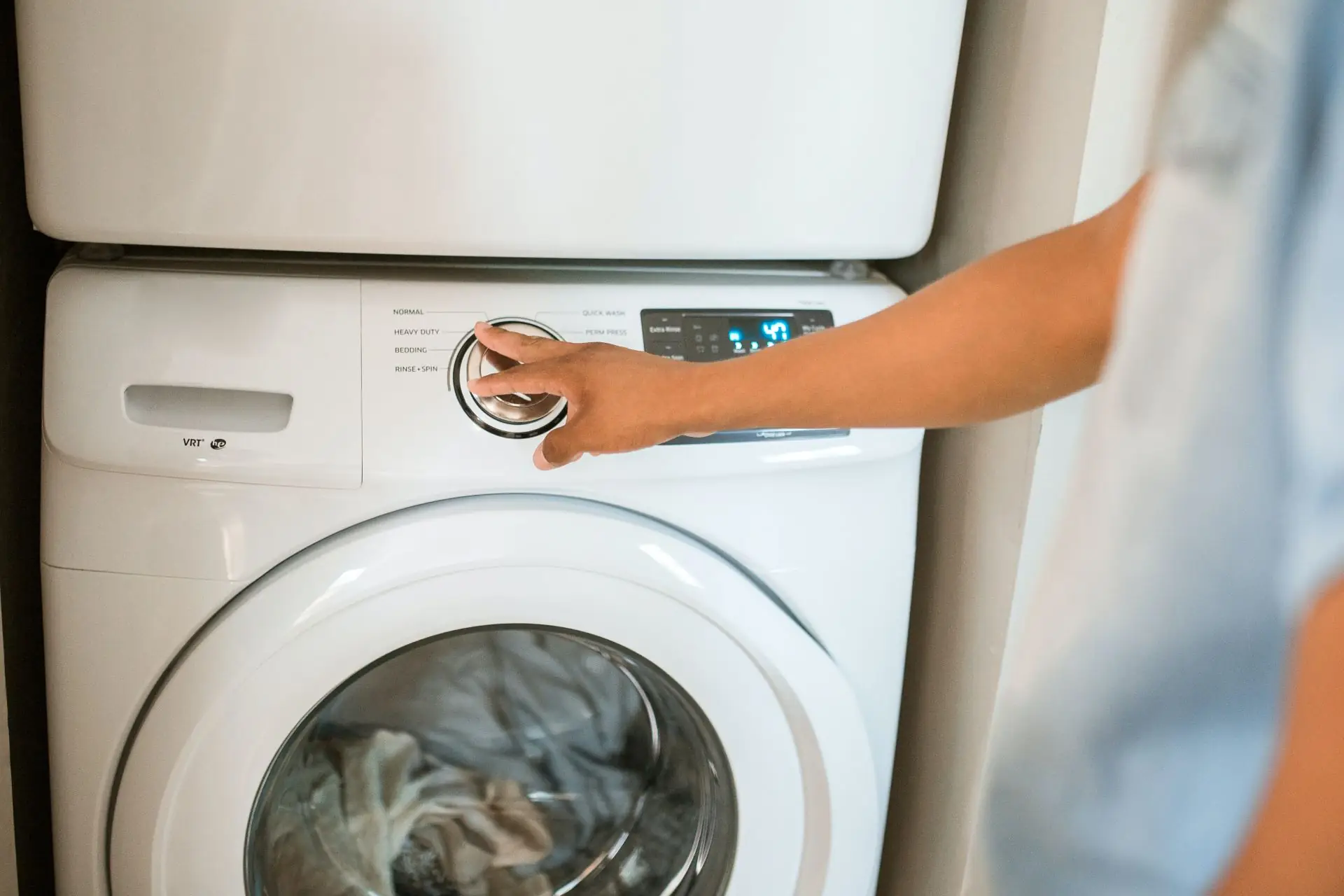
Household appliances are among the trickiest items to transport during a house move, and washing machines are no exception. Not only are they bulky and heavy, but they need to be moved in the right way to avoid damage and arrive at their destination in perfect working condition. While it sounds like a complicated task, all it takes is the right approach and tools to move a washing machine easily and safely.
Can You Move a Washing Machine on Your Own?
While you can transport a washing machine without hiring a professional moving company, it’s not recommended to try moving it without any help at all. A typical washing machine weighs between 70 kg and even over 100 kg, and is too heavy and bulky to lift on your own. Even when using a dolly, it may be difficult to manoeuvre it with such a heavy item on top.
That’s why it’s essential to find at least one person willing to help on a moving day in order to get the job done without injuring yourself or damaging anything. And if you can’t find anyone available, look for a reliable and affordable local moving company.
Equipment and Moving Supplies You’ll Need to Move a Washing Machine
- Gloves
- Packing tape
- Moving dolly
- Moving blankets
- Ratchet straps
- Slip joint pliers
- Transit bolts (shipping bolts)
Can You Move a Washing Machine Without Using Transit Bolts?
Transit bolts (shipping bolts) are used to protect the drum suspension mechanisms during transport. Moving washing machines without such bolts is inadvisable as they keep the drum in place and prevent the risk of damage. If you still have them, you can use the shipping bolts that came with your appliance or look for new ones at a local home appliance store.
Things to Do Before Moving a Washing Machine
- Gather equipment. Before you attempt to move your washing machine, make sure you have everything you need (double-check with our list of recommended equipment and supplies above). Having the right tools on hand will help you finish this task quickly and safely without unnecessary stops or complications.
- Find help. Moving a washing machine alone can be dangerous and lead to injury. You need someone to help with the heavy lifting and, if possible, one more person to help you navigate and keep the washing machine in an upright position.
- Plan your route. Determine the most efficient route for transporting your washing machine to the moving vehicle. Remove any potential obstacles and tripping hazards in advance to ensure a smooth and safe moving process. Make sure that everyone is aware of the planned route.
- Measure all doorways, hallways, and staircases. Although washing machines may not be as large as refrigerators or sofas, they can still be difficult to fit through narrow doors. To avoid such issues, check all the measurements of doorways and hallways on your chosen route before attempting to move the washing machine. This step will ensure that you can manoeuvre it safely without encountering any obstacles along the way.
- Check the instruction manual. While it’s easy to forget about the instruction manual once the washing machine is set up, it is advisable to keep it close by as it contains specific instructions for your particular model that need to be followed to move your appliance without damaging it. Tips you should look for include: disconnecting the power and water supply and securing the washer drum.
How to Prepare a Washing Machine for Transport
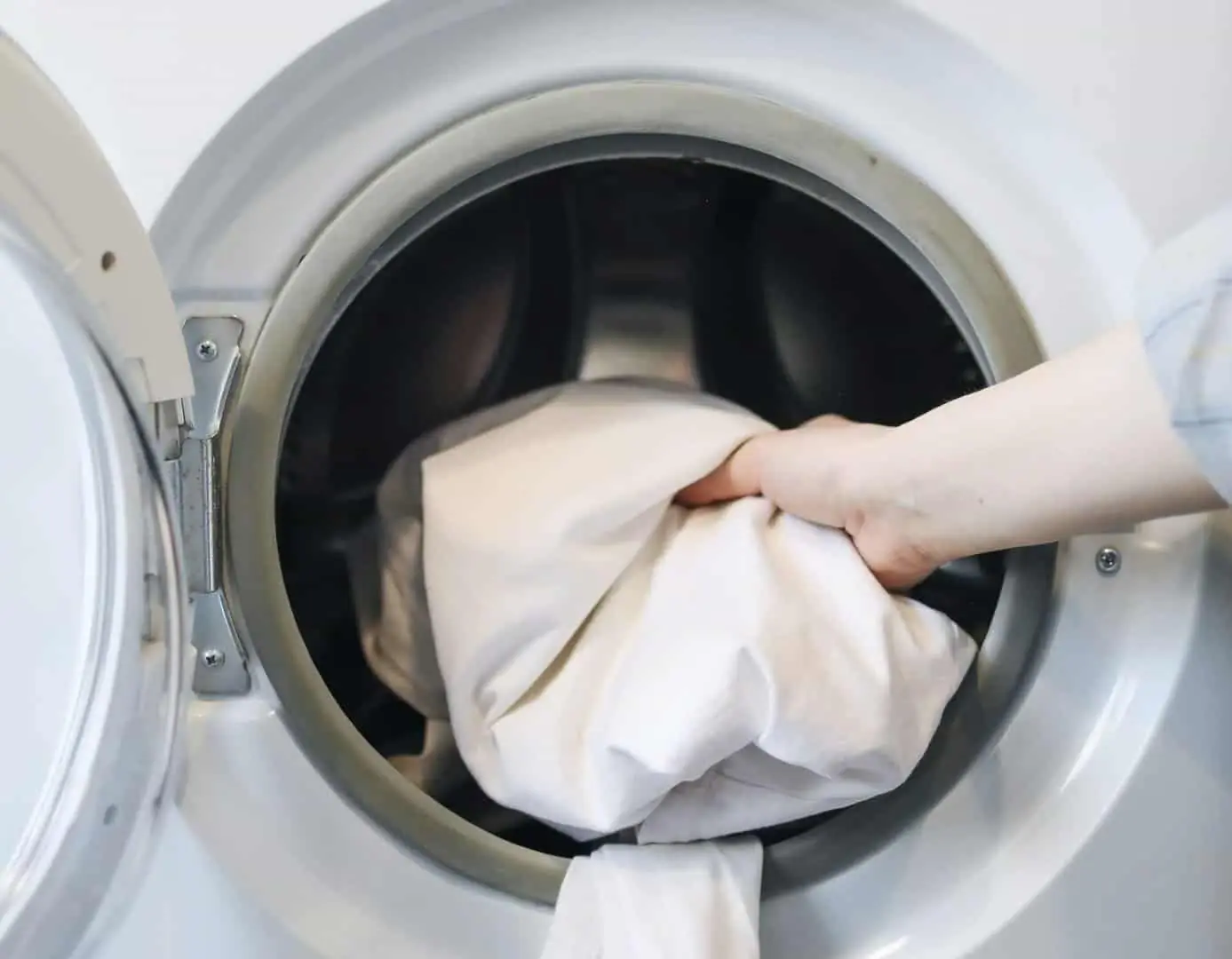
- Empty and clean your washing machine. Before moving a washing machine, it has to be completely empty. Make sure to remove any remaining clothes and empty the detergent drawer. Run a short wash cycle to clean the washing machine (new models often have a special cleaning cycle you can use) without any detergent.
- Unplug the washing machine. Turn off your washing machine and disconnect it from the power source. As there’s a risk of water spilling from the drain hoses, you don’t want the appliance to be connected to the electrical network.
- Turn off the water supply. Locate the water supply valve and close it by turning it clockwise to prevent any more water from getting into the washing machine.
- Disconnect the water supply hose. Depending on the model, your washing machine may have one or two water supply hoses. Use slip joint pliers to disconnect them and pack them in a separate cardboard box or a bag to make sure you don’t lose any elements of the supply hose connections.
- Drain the washing machine. Disconnect the drain hose and empty any remaining water into a bucket or bowl.
- Secure the drain hose and power cable. Keep the drain hose attached to the washing machine and secure it in place with packing tape. Do the same with the power cable to avoid damage during transport.
- Leave the door or lid open for at least a day. Even after draining, there may still be leftover water and moisture inside your washing machine. If possible, it’s best to leave the door/lip open for at least 24 hours to give it time to dry completely.
- Install the transit bolts. Installing the transit bolts is essential to keep the drum in place and secure your appliance for transport. They are usually installed at the back, but we recommend consulting the manual to check the exact installation method for your model.
- Secure your washing machine for transport. To avoid scratches and dents during transport, it’s best to either use the original packaging if you still have it or wrap the washing machine in bubble wrap or moving blankets.
How to Move a Washing Machine
- Wait for all your helpers to arrive, and then go over every step of the moving plan with them to make sure everyone is on the same page.
- With their help, place your washing machine on the moving dolly and secure it in place with ropes or ratchet straps to prevent it from falling off on the way.
- Slowly and carefully manoeuvre the dolly through the planned moving route. Make sure to keep it upright at all times.
- The easiest way to load it into the moving truck is by using a loading ramp. Take extra care to stop the appliance from tilting and falling off the dolly. This could not only damage it but injure you and your helpers.
- Secure the washing machine inside the moving vehicle with ratchet straps to keep it in place during transport.
How to Move a Washing Machine Without Damaging the Floor
If you don’t have a furniture dolly and want to move a washing machine without carrying it, protecting the floor is a must. Place a spare piece of cardboard, a towel or a rug underneath to prevent the legs from scratching the floor and make the appliance easier to move. Alternatively, you can also use furniture sliders.
How to Move a Washing Machine Downstairs (Or Upstairs)
Carrying a washing machine up or down the stairs can be challenging. Luckily, there are ways to make this task a bit easier. You can use moving straps to avoid the strain of lifting such a heavy item or a stair ramp and a dolly to avoid carrying it altogether. Whichever option you choose, it’s always important to be careful and not rush if you want to avoid accidents.
Moving a Washing Machine FAQ
You can use moving equipment, such as a furniture dolly or moving straps, to move heavy items with ease. However, even when using such tools, it’s not recommended to attempt moving a washing machine alone. Always have someone with you to help.
To move a washing machine without damaging it in the process, you need to prepare and secure it properly. Check the manual for helpful tips, gather the necessary equipment and find someone to help with the heavy lifting. And if all of this sounds like too much of a hassle and you’d rather give this job to someone with enough expertise and skills to do it safely and quickly, you can always hire professional movers.
Yes, draining the washing machine before moving is essential to prevent any water from leaking and causing damage to the appliance itself, the floor or other items during transport. It’s advisable to do this at least 24 hours before the move to give the washing machine enough time to dry.
To move a washing machine safely, make sure it is completely empty and drained. Unplug the appliance and disconnect the water supply hoses (secure the power cord and other non-detachable elements with packing tape). Use the original packaging, bubble wrap or moving blankets to prevent scratches and dents. Finally, after loading the washing machine into the moving van, use straps to keep it upright during transport.
It’s recommended to always move a washing machine upright. Laying it on its side can result in substantial damage, especially if the drum isn’t secured with transit bolts. To avoid any potential issues, make sure to follow the manufacturer’s instructions for moving your washing machine.
Need Help Moving a Washing Machine? Hire a Removal Company!
If you don’t have time or the necessary tools to move your washing machine, consider hiring a removal company. Professional movers have the expertise and equipment to safely transport household appliances without damaging them and in the shortest possible time. It’s an easy way to save time and enjoy a stress-free moving experience. At W & W Movers, we offer a range of moving-related services, such as packing, furniture assembly and man and van in Chelsea and other parts of London. Let us know how we can help you!