
10 Things to do after moving into a new house
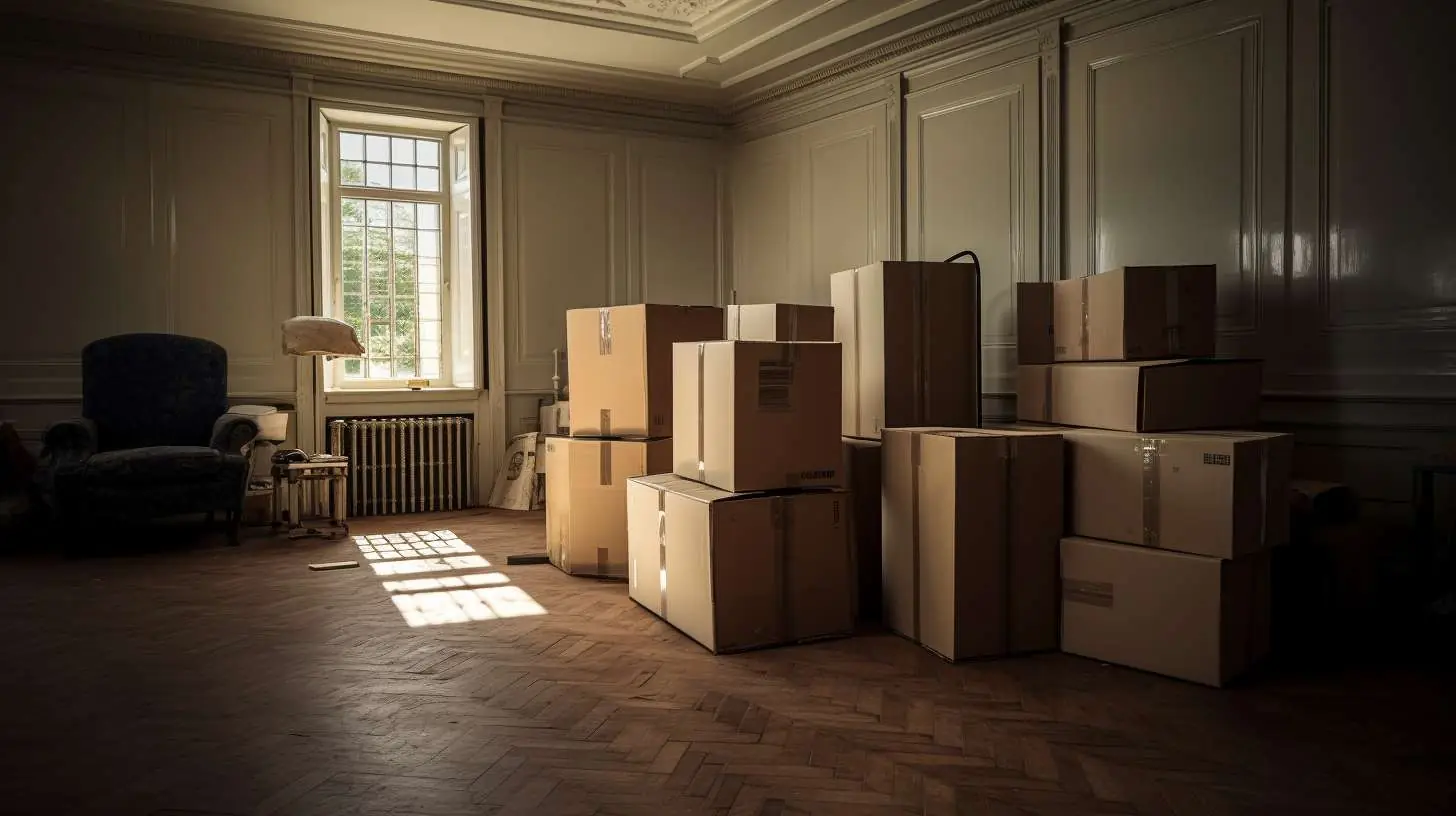
Moving into your new home is not the end of the moving process. There are still many tasks on your to-do list that require your attention sooner rather than later. We’ve prepared a short checklist of things to do after moving to help you transform your new space into a safe and cosy home with no unpleasant surprises or complications!
New home checklist: 10 things to do when you move into a new house
Inspect your new house
First, take a walk around the property and look for anything that is out of order and should be addressed right away. Test light switches, smoke detectors, and plug sockets. Check door and window locks and locate the fuse box, heating and cooling appliances, gas and water valves, thermostat, and any other systems installed in the building.
It’s also a good idea to take utility meter readings at the moment of your move and give them to the utility suppliers. Taking a photo of the meter reading is an easy way to make sure you only pay utility bills for water, gas, and electricity used by you and your family and to avoid misunderstandings when transferring services to your name or switching providers.
If you find any items left behind by the previous owner, put them in a separate box for the time being in case someone comes looking for them.
Clean the house thoroughly
Moving gives you a fresh start, and it’s a good time to refresh the entire house as well. Even if it looks clean, you can never really be sure what the previous occupants left behind. For your own peace of mind, plan a deep clean of each room, including the attic and basement, to make sure there are no germs, pests, and messes.
It’s best to take care of this task before you bring all your moving boxes and furniture. With nothing standing in your way, you’ll be able to easily clean carpets, skirting boards, and cupboards and reach every corner. And if you’re not a big fan of cleaning or simply don’t have the time to do it, you can hire professional cleaners to make your new living space spotless.
Unpack essentials and keep everything organised
Labelling your boxes when packing can save you a lot of time and nerves later on. Why? If you know what’s inside each box, you can put them in the right room and unpack them in the right order. It’s a really simple step that can help you keep everything under control without unpacking disasters, such as covering the floor with Christmas decorations when looking for a hairdryer or crushing glasses and plates by placing a heavy box filled with books on top of them.
Start unpacking with the essentials, especially things you’ll need for your first night in the new home, such as toiletries and basic kitchenware. Make sure to put aside boxes with valuable items and all your important documents – you don’t want to accidentally break or lose anything. Set up major appliances and devices by following the manufacturer’s instructions (if you don’t have the manual, check online).
Remember to recycle packing materials! Alternatively, you can also let others know (e.g., by posting in a local Facebook group) that you have free boxes to give away.
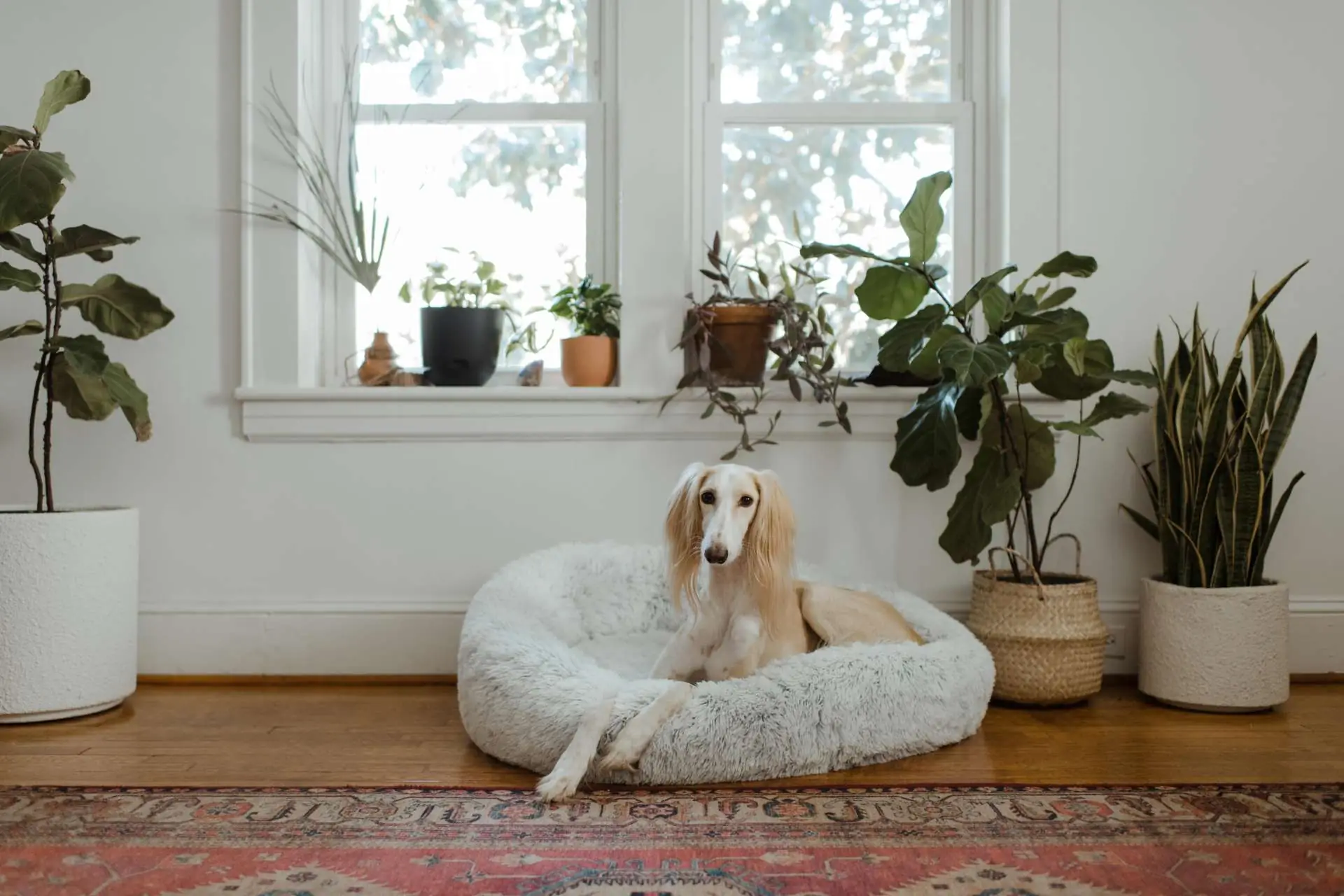
Make your new home pet- and childproof
This step is extremely important for parents and pet owners. Moving can be stressful, but moving with a young child adds a whole list of additional things to worry about. Children can feel anxious when they suddenly find themselves in a completely new environment, so it may be a good idea to get their rooms ready and furnished with familiar items right away to provide them with as much comfort as possible from the first night.
But while comfort is important, safety should always be your top priority.
- Install safety gates on stairs.
- Cover plug sockets.
- Don’t stack boxes on top of each other.
- Make sure that bookcases and wardrobes are securely fixed to the walls.
- Store sharp, hazardous, and fragile items out of reach.
These are just a few things you can do to make your new home safer for those under your care.
Change the locks
So you’re the proud owner/resident of your new house. It’s a huge milestone that’s definitely worth celebrating. But are you sure you’re the only one who has the keys? There’s no way to be certain, and it’s always better to be safe than sorry. Changing all the locks in the building should be one of the very first things you do after moving in.
If there’s a home security system already installed, contact the company and let them know that you’re the new owner of the house and change the passwords. You can also change the security system or service provider if you’d rather have safety measures tailored to your own needs in place.
Set up utilities and services
Whether you want to stay with the same utility company or use the move to look for a better deal, you need to contact both utility companies to turn off utilities at the old house and set them up at the new one.
If you’re happy with your current providers of TV, Internet, and phone services, you can contact them and ask about the possibility of transferring services to your new home and how to do it. You can also cancel your existing contracts and find a new service provider.
Transferring and setting everything up can take some time, so you may want to make the necessary arrangements with your service and utility providers in advance to get everything ready in time for your move.
Get familiar with your new neighbourhood
When you move into a new neighbourhood, everything is new. Give yourself time to soak up the atmosphere, meet and build relationships with your new neighbours and make new friends. Taking walks is a great (and healthy) way to familiarise yourself with your surroundings, discover the location of shops, restaurants, parks, and hospitals, and find the best routes to your work or your child’s new school.
Don’t forget to register with your new doctor and dental clinic. If you have pets, look for a local veterinary clinic as well. It’s also worth checking local parking regulations and waste and recycling collection schedules.
Give your new address to everyone who needs to know It
Who needs to know about your address change?
- Your employer
- Your health care providers (if you’re switching to a new health care provider, make arrangements to have your medical records transferred)
- Your bank and credit card companies
- Your insurance companies
- DVLA (You need to get a new licence when you change address)
- HMRC (You can update your address online using your personal tax account. The process is different if you only file a Self Assessment tax return.)
- Your new and old local councils (You need to update your address on the electoral roll and register for council tax at your new address.)
Insure your new home
You can insure your life, health, and motor vehicles, so why not find the right cover for your new home as well? Buying a house is a huge investment, and taking out a home insurance policy can help you maintain financial stability in case something goes wrong. Depending on your needs, you can choose buildings insurance, contents insurance, or a policy that combines these two options.
Decorate and make yourself feel at home
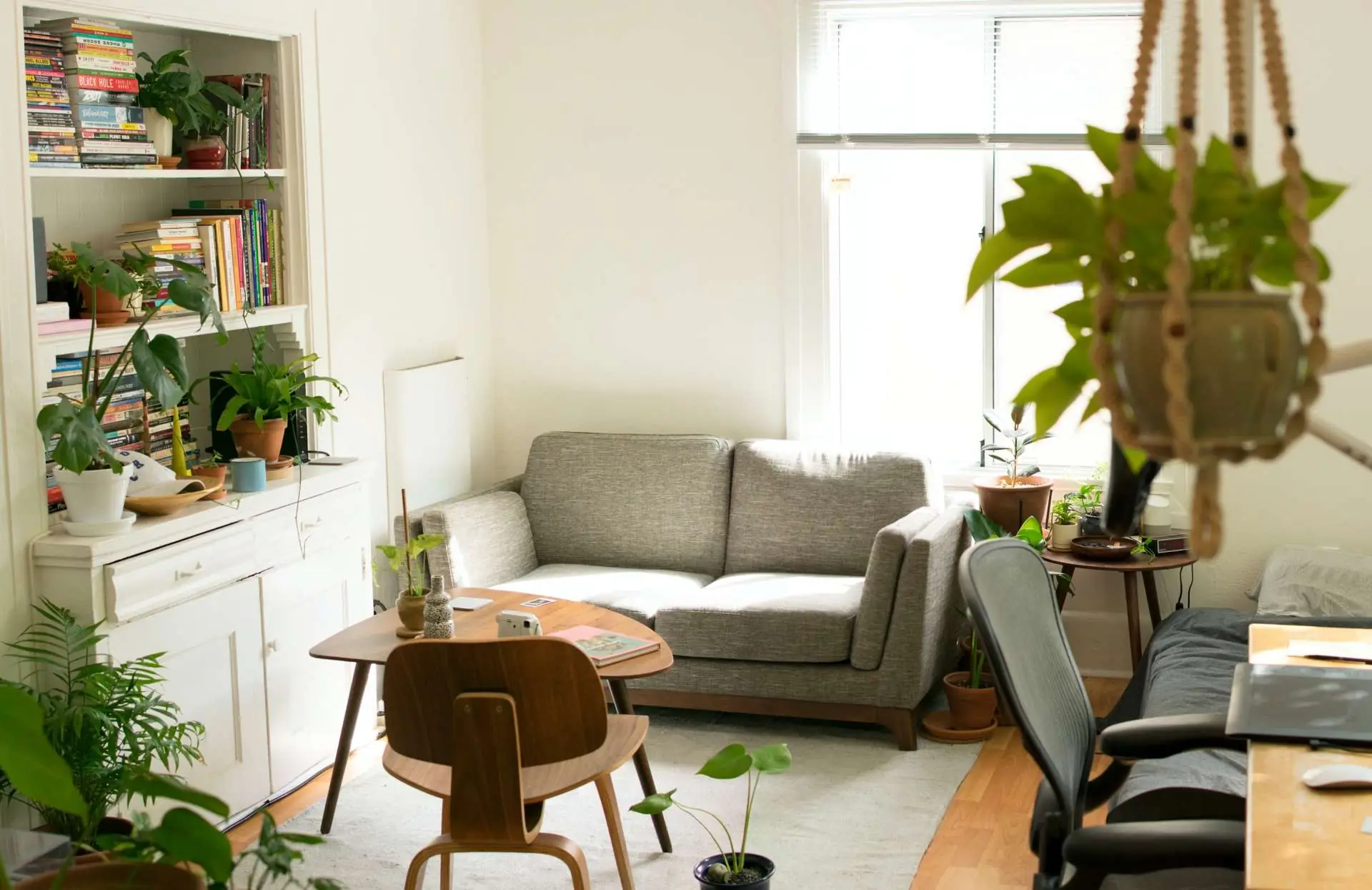
Now, finally, every task from your new home checklist is done, and you can focus on making your living space cosy and beautiful. It’s time to add those finishing touches to the interior design, place photos and plants around the house, find your new favourite café, and settle into your new routine of everyday life in your new home.
Moving Can Be Easy With a Removal Company!
Hiring a moving company is a great move if you want to transfer all your belongings to your new home quickly and efficiently. Our team can handle everything from packing to moving and assembling furniture to make your move a completely stress-free experience. Let us know if you need [professional removal services in London!](/services/home-removals-london/)