
How to Move Heavy Furniture: A UK Guide to Safe Techniques and Tools
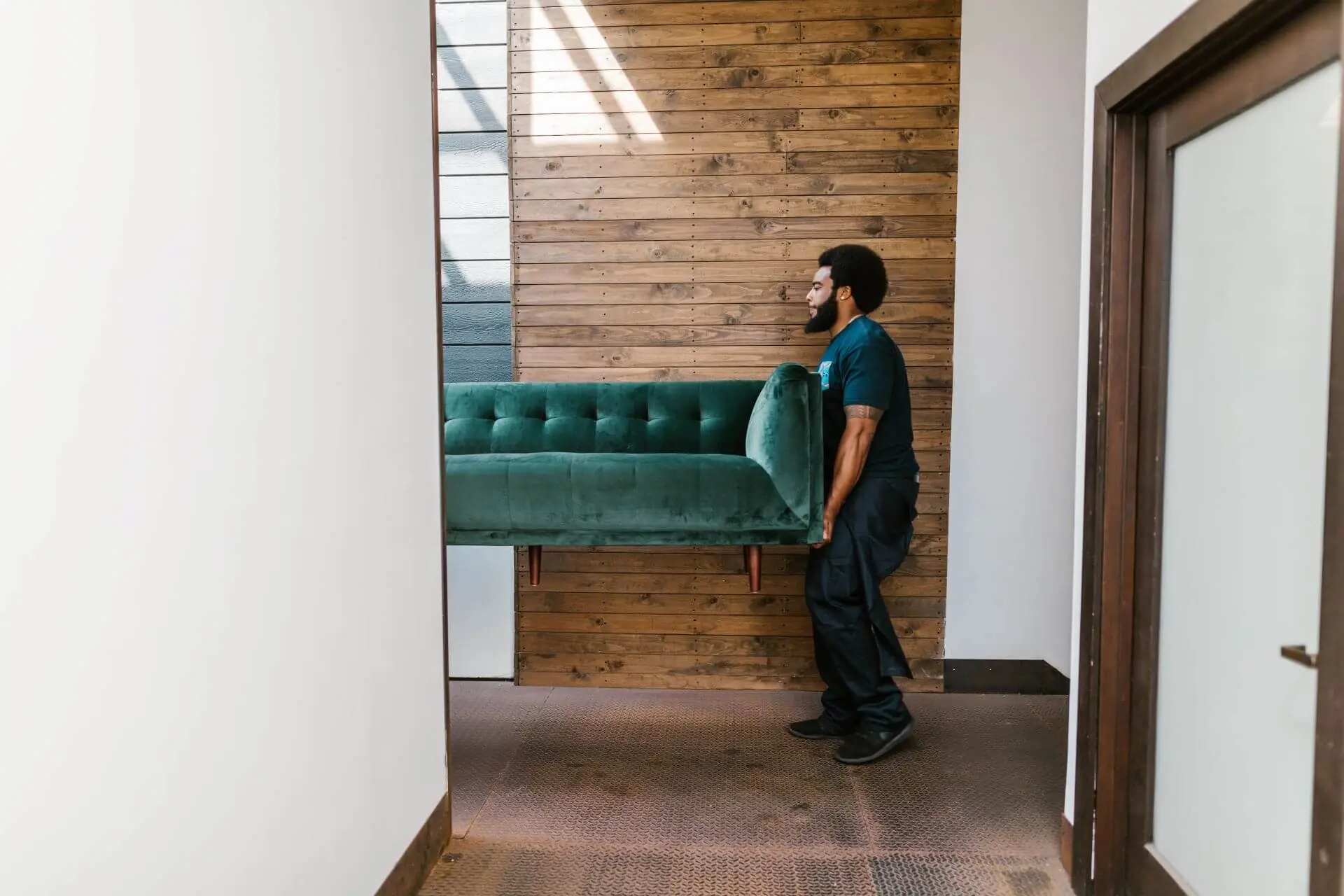
To move heavy furniture safely, plan the route first, protect floors and walls with blankets or sliders, lift with your legs in a braced-core posture, and use the right equipment for the job – a furniture dolly, lifting straps or a sack truck – rather than brute force.
Anything over 25 kg should be a two-person job according to UK HSE guidance, and anything too bulky for a straight carry is almost always easier to slide than to lift. Using the right moving equipment cuts physical strain, protects the final position of every piece, and helps you avoid damaging floors, walls and the furniture itself.
How Heavy Is Too Heavy? UK Manual Handling Limits
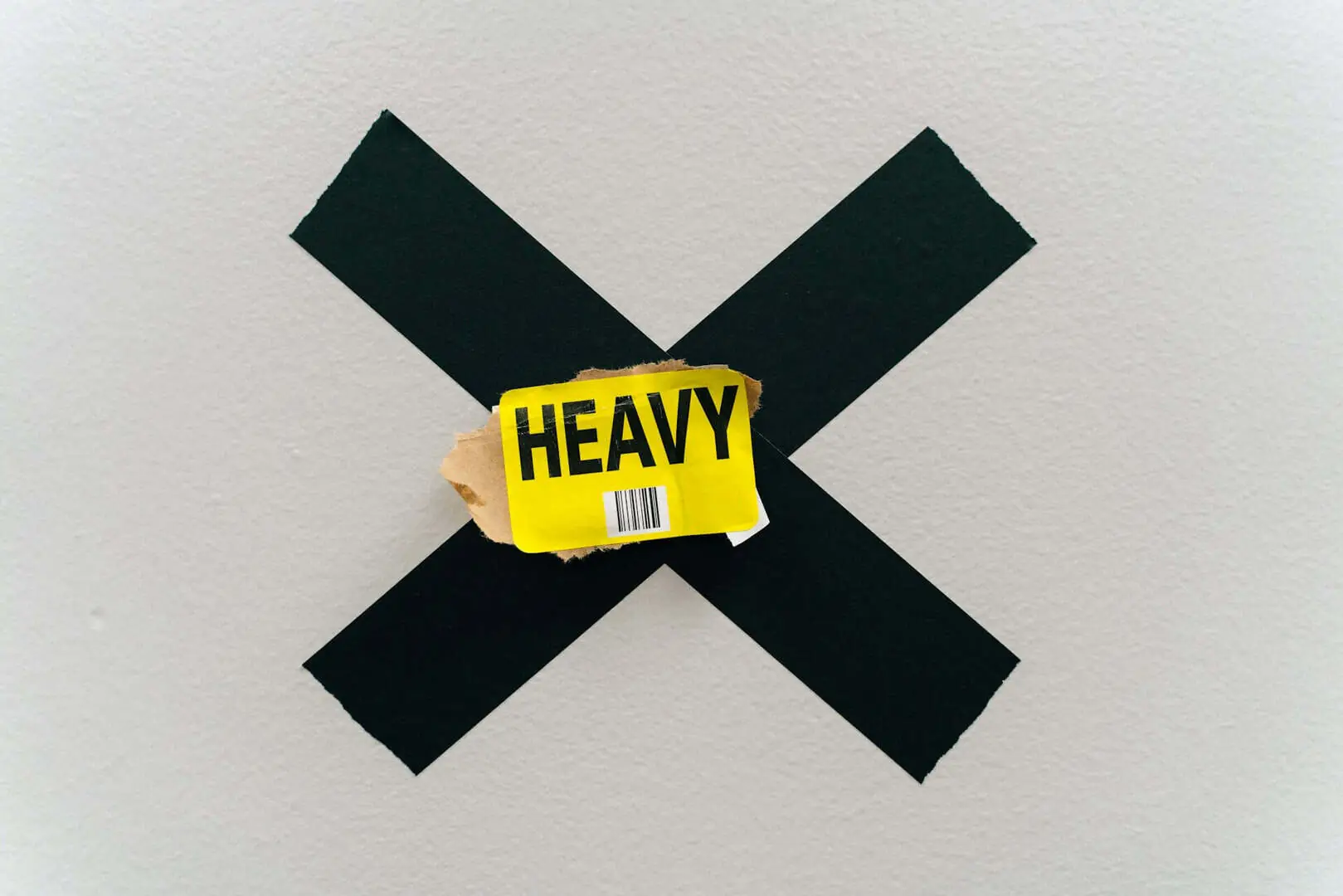
Before you move furniture of any size, it is worth knowing the legal manual handling thresholds – they shape how to move heavy furniture safely and legally in the UK. The UK Health and Safety Executive (HSE) sets official manual handling guidance at a maximum of 25 kg for men and 16 kg for women lifted at waist height, and these limits drop sharply the further the load is from the body. Anything heavier should be handled by a team of two, or done with mechanical help such as a dolly or lifting straps. These are guidelines, not strict legal limits, but exceeding them increases injury risk significantly.
Typical UK furniture weights for reference (based on industry averages from removal firms ranges account for empty/full states and materials like MDF/oak):
| Item | Typical weight |
|---|---|
| Dining chair | 5 – 8 kg |
| Office desk (empty) | 25 – 50 kg |
| Chest of drawers (3-drawer, empty/full) | 20 – 35 kg |
| Bookcase (tall, empty/full) | 30 – 60 kg |
| Double wardrobe (MDF, empty) | 40 – 80 kg |
| Double mattress | 25 – 40 kg |
| Three-seat sofa (empty) | 45 – 90 kg |
| Corner sofa (empty) | 70 – 150 kg |
| Fridge-freezer (empty) | 60 – 100 kg |
| American-style fridge-freezer (empty) | 90 – 180 kg |
| Washing machine (empty) | 70 – 90 kg |
| Upright piano | 140 – 280 kg |
| Cast-iron bath | 80 – 120 kg |
If a single item approaches the upper end of these ranges and you do not have specialist tools, book a removals firm or a man with a van rather than risk a back injury.
Tools and Equipment You Need to Move Heavy Furniture
The right equipment is almost always cheaper than one chiropractor visit or a scratched hardwood floor. Most of the handy tools below can be picked up from large DIY chains, hardware stores or online marketplaces, or hired by the day from local tool‑hire providers.
Essential:
- Furniture dolly (flat 4-wheel platform) – for moving chests, wardrobes and bookcases across flat floors
- Sack truck / hand trolley – for tall, vertical items like fridges, washing machines and stacks of boxes
- Lifting straps / shoulder straps – distribute weight across a second person. Branded systems such as the Shoulder Dolly are a common choice in UK households
- Furniture sliders – hard plastic sliders for carpet, soft felt sliders for hard floors
- Moving blankets – to wrap furniture and pad sharp edges
- Bubble wrap and packing tape – to secure loose elements and protect glass or polished surfaces
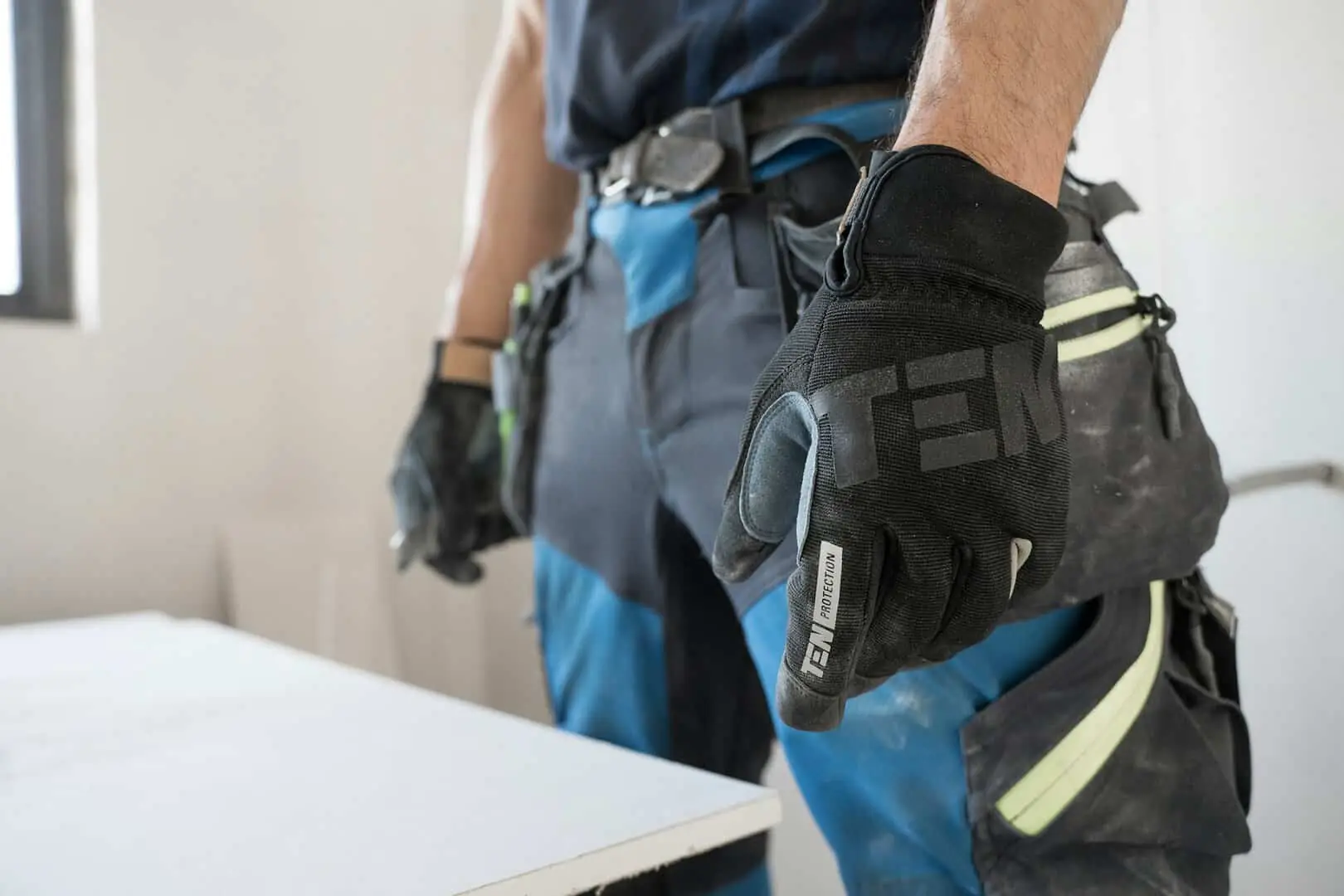
- Work gloves – grip and finger protection. A good pair of gloves is essential when carrying furniture with sharp metal edges or rough timber
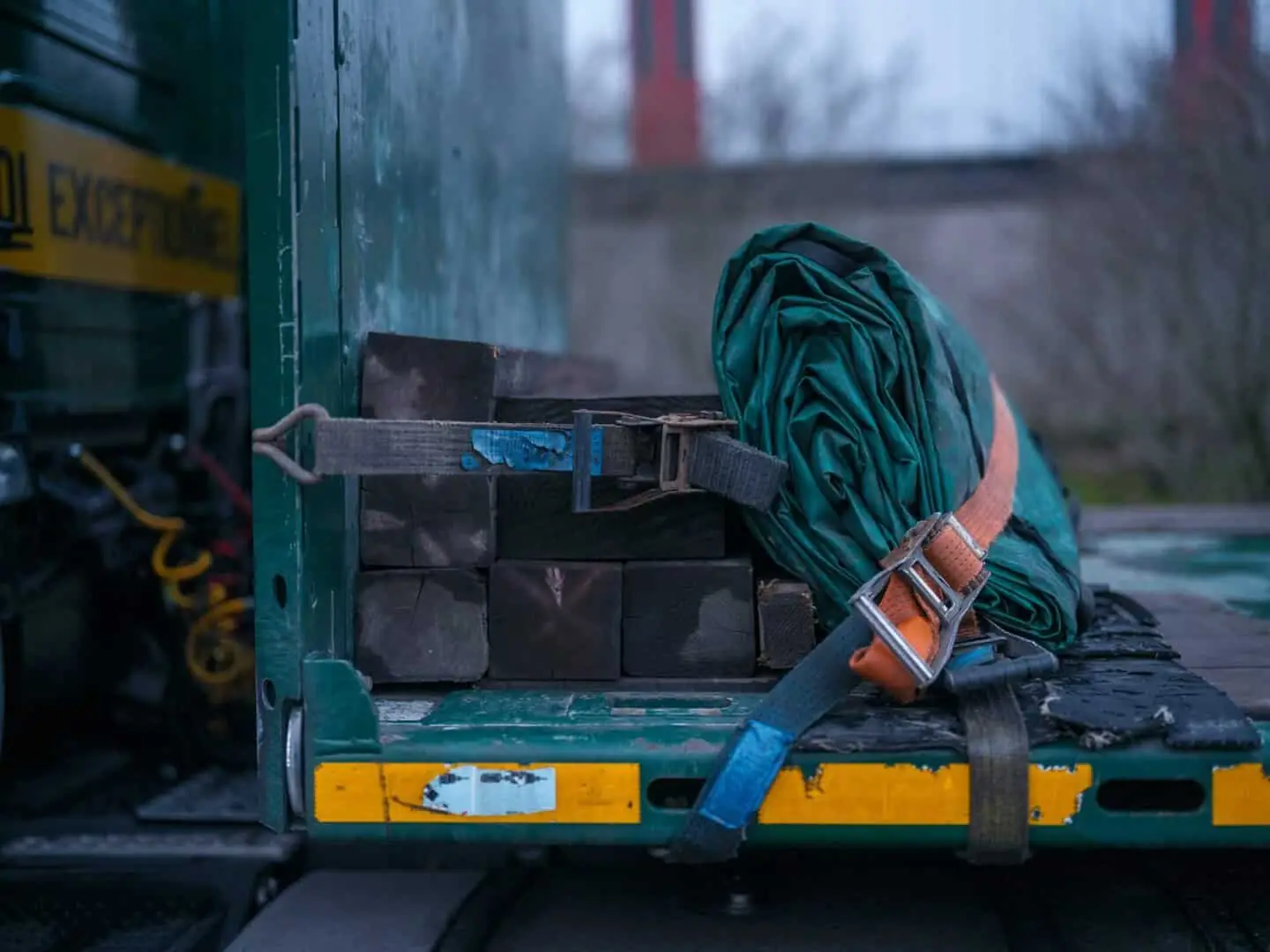
- Ratchet straps – to lock appliances to an appliance dolly, secure doors shut, and strap items in the van. Two cheap ratchet straps solve ten different moving problems
Heavy-duty or speciality:
- Appliance dolly – a sack truck with a locking strap to secure the appliance in place
- Piano trolley / piano dolly – a reinforced skate for items over 100 kg
- Stair-climbing dolly – powered or manual ratchet tracks for moving heavy furniture upstairs
- Furniture lifter – a lever that raises one edge of an item so you can slide a skate underneath
💡 On a tight budget? Towels, flattened cardboard, old rugs, tin foil (on carpet only), bin lids and even thick cotton socks can substitute for furniture sliders. More on this below.
How to Prepare Before You Move a Single Piece?
The biggest injuries and damage come from moving before the route is clear. Ten minutes of planning saves an hour of problems later, and the tips below apply to everything from moving a single desk to planning a full house move. Walk through each tip in order before you move furniture of any size.
- Measure the item: height, width and depth including any feet or handles. Wrapped furniture is always 5 – 10 cm bigger than the bare dimensions.
- Measure doorways, stair landings and hallway corners on the route. A standard UK internal door is around 76 cm wide; external front doors are 80 – 90 cm. Confirming these dimensions in advance prevents unnecessary heavy lifting around tight doorways mid-move.
- Plan the exact route from starting room to final position. Walk the planned route once empty, noting where each piece will end up so you only carry it once.
- Remove obstacles: rugs, doormats, trailing cables and extension leads, coat stands, flower pots, picture hooks, wall art, lampshades. Tripping over a loose cable or a curled rug edge while carrying furniture is one of the most common causes of moving-day injury. Prop every door open with a wedge.
- Protect the floor with cardboard, moving blankets or furniture sliders along the whole route.
- Empty the furniture of drawers, shelves and loose items. Empty pieces are dramatically lighter and will not shift mid-carry.
- Secure doors and drawers shut with packing tape, a ratchet strap or cling film so nothing swings open.
- Wrap fragile and large items in moving blankets or bubble wrap before they leave the room. This helps protect furniture from scratches and stops sharp corners gouging walls, door frames and skirting boards on the way out.
- Brief your helper. Agree who lifts first, which direction you will turn at each corner, and an emergency word (like “rest” or “down”) so either person can call a stop at any moment.
7 Tips and Techniques for Moving Heavy Furniture Safely
When it comes to moving heavy furniture, a good technique beats strength every time – an experienced removal man weighing 70 kg can comfortably shift a sofa that would flatten an untrained 90 kg lifter. The seven tips below cover the best way to move heavy furniture through almost any UK household.
1. Lift With Your Legs, Not Your Back
Stand close to the item with your feet shoulder-width apart. Bend at the knees and hips – never at the waist or lower back – grip the item with a neutral spine, brace your core as if you were about to be punched in the stomach, and stand up in one smooth motion. Keep the load close to your body: holding the weight tight to your torso keeps your balance centred and takes pressure off your spine. Never twist while holding a heavy piece – pivot with your feet to change direction instead of rotating your torso, which is the fastest way to strain a disc.
2. Use Moving Straps to Share the Load
Forearm forklift straps and shoulder-style lifting straps (including branded systems like the Shoulder Dolly) loop under a piece of furniture and transfer most of the weight onto your forearms, thighs and hips – the strongest muscle groups in the body. They also encourage an upright posture, which protects the lower back far better than a hunched carry. A single pair of straps can roughly double what two people can comfortably lift, and gives you a much better grip on smooth-sided items like fridges and wardrobes.
3. Slide Instead of Lifting
If you do not need to clear the floor, do not lift – slide. Place a furniture slider under each leg, or lever the piece onto a flat four-wheel dolly. Hard sliders work best on carpet; soft felt sliders work best on wood, laminate or tile. Sliding cuts friction dramatically, which is safer for your back, easier on the item and almost always quicker than carrying. It also prevents the deep scratches that dragging leaves on oak, laminate and vinyl floors.
4. Tilt Tall Items and Long Furniture
For tall wardrobes, bookcases, grandfather clocks, a mattress on its edge, or long sofas, tilt the piece backwards onto two feet or one corner. This lowers the centre of gravity, reduces the footprint on the floor and gives you a much narrower profile to feed through tight doorways. Always have a second person guiding the upper end when you tilt tall items.
5. “Hook” Through Doorways
Tight doorways are the single biggest obstacle in an old London flat or apartment. The “hook” technique is continuous rotation: as the leading corner of an L-shaped or bulky piece enters the doorway, keep turning the whole item so the cross-section passing through the frame is as narrow as possible. For a three-seat sofa, stand it on one end and hook it in vertically.
6. Moving Large Furniture Around Tight Corners and Victorian Stairs
For a corner in a hallway, walk the piece on its corners one at a time – lift one side a few centimetres, pivot on the opposite point, set it down, and repeat. This is sometimes called “walking” or “waddling” and lets one person shift items that would otherwise need two.
7. Use the Sofa Cavity for Tight Spots
If a sofa will not fit around a tight turn flat, tilt it so the bottom cavity faces into the corner. The empty space under the seat gives you an extra 10 – 15 cm of clearance to pivot through. The same trick works for bookcases and wardrobes with open backs.
How to Move Heavy Furniture by Yourself? (Flat Pack Disassembly Tips Included)
Yes, you can move furniture alone if you avoid lifting and rely on sliding instead. These solo tips assume you can slide rather than lift: one person with a dolly, sliders and lifting straps can shift items that would normally take a second helper. The rule is simple – if the move requires lifting the piece off the ground, get a second pair of hands. If it only requires sliding, you are safe on your own.
Solo-friendly equipment:
- Furniture sliders under each leg for flat-floor work
- Flat furniture dolly for anything you can lever on top of it
- Furniture lifter (the lever tool) to raise one side while you place the dolly
- Ratchet strap to lock the piece in position on the dolly
- Sack truck for tall heavy items (fridge, washing machine, boxes)
What NOT to do alone: carry anything up or down stairs, lift anything over 25 kg straight off the ground, or manoeuvre anything where you cannot see your feet.
Moving Heavy Furniture Up and Down Stairs
Stairs are where moving injuries happen. Never attempt stairs alone when moving heavy furniture. Teamwork is essential for moving heavy furniture upstairs or down, and for any tight turn – you need at least two people: a strong helper at the bottom who carries most of the weight and controls the descent, and a helper at the top who guides the item and rests it during breaks.
Golden rules for stairs:
- Bottom helper takes the weight, top helper guides. Gravity works in your favour going down and against you going up, so the person on the downhill side is always doing more work.
- Tall items travel long-side-down on the stair treads for stability.
- Take breaks on every landing. A 10-second rest prevents grip fatigue and slipped fingers.
- Communicate constantly. Agree a count-down (“3, 2, 1, lift”), a hold signal and an emergency “rest” word.
- Consider a stair ramp + dolly for items over 80 kg. A portable aluminium ramp lets you roll the piece rather than carry it.
- Clear the landing or room at the top or bottom so you can set the item down safely once you arrive in its final position.
Per-Item Guidance for the Hardest Pieces
Different heavy items need different approaches – what works for a fridge move will damage a piano, and vice versa. Here are the pieces UK households most often get stuck on.
How to Move a Heavy Wardrobe (and Chests of Drawers)?
Empty every drawer and shelf. Strap the doors shut with a ratchet strap or wrap cling film around the whole wardrobe to stop them swinging open. For a double wardrobe, tilt it backwards onto a furniture dolly and slide to the van. If the wardrobe came flat-packed, it is almost always easier to disassemble and rebuild than to carry it whole.
Sofas and Corner Sofas
Remove all cushions and pack them separately. Most corner sofas come apart into two or three modules held together by brackets – remove the brackets before moving day. For fixed sofas, measure the frame against every doorway. If it will not fit flat, stand it on one end and hook it in vertically, using the cavity under the seat for extra clearance on tight turns.
Beds, Mattresses and Divans
Dismantle wooden and metal bed frames completely – loose slats, side rails, headboard and footboard all travel more safely separately. Put all fixings in a labelled zip bag taped to one of the rails. Slide the mattress into a mattress bag or wrap it in a moving blanket to keep it clean, then carry the mattress on its edge through doorways; a mattress moved flat is almost impossible to steer around corners. Divan bases usually come in two halves that bolt together in the middle – undo them and move each half on its edge.
Desks and Office Furniture
A large desk is awkward rather than extremely heavy. Remove drawers and any detachable hutch or riser, then tip the desk onto its side and slide it on furniture sliders through doorways. L-shaped desks almost always unbolt into two sections – check underneath before trying to carry the desk whole.
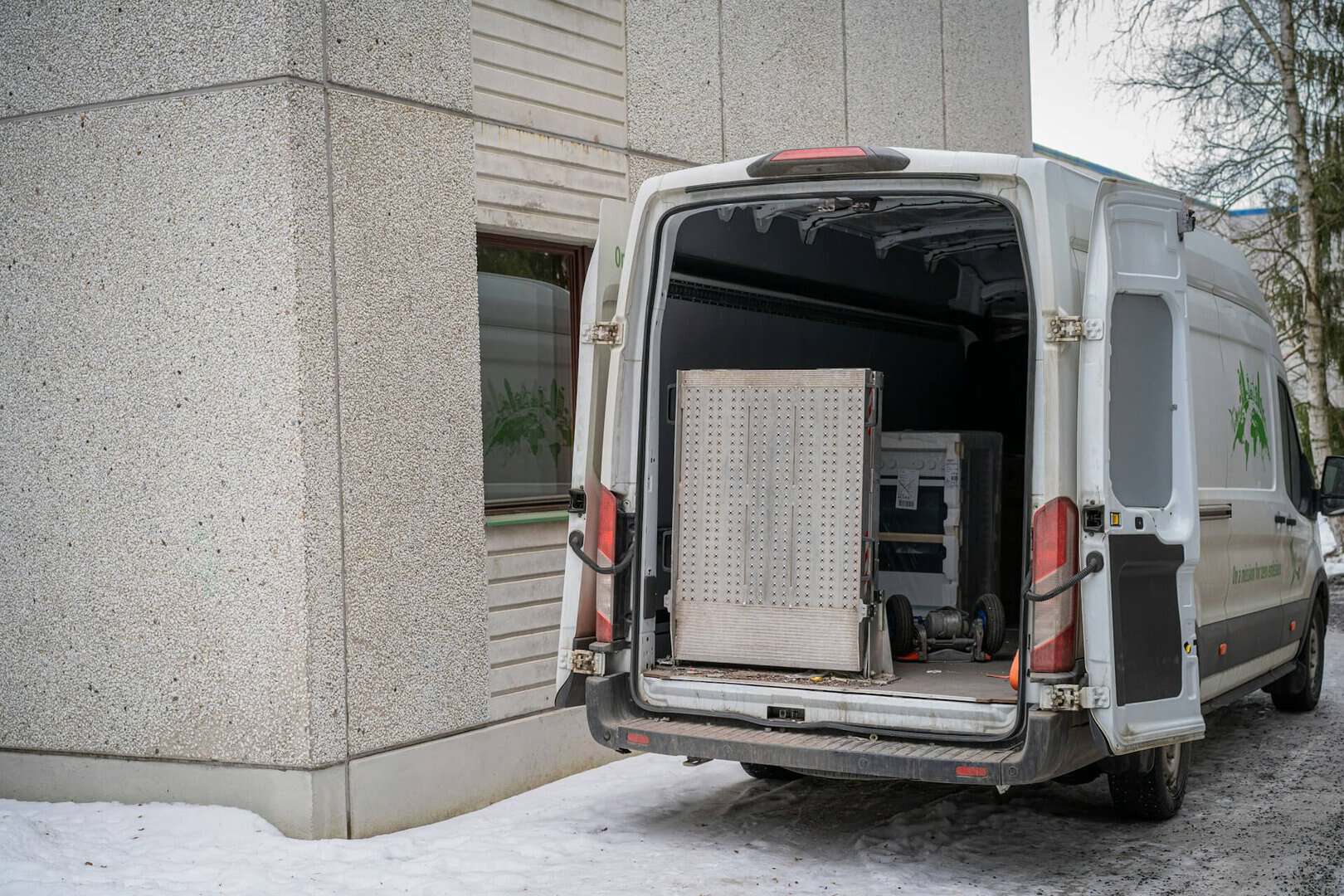
Fridges and Washing Machines
Empty and defrost a fridge or freezer the day before and leave the door open overnight to fully dry. Unplug, secure the door with tape, and use an appliance dolly (a sack truck with a locking strap) to walk the fridge out of the kitchen efficiently. Let the fridge stand upright after the move for the time recommended in the manufacturer’s manual before switching it back on, otherwise the compressor oil can flood the cooling circuit.
Washing machines have a different catch: before moving, fit the transit bolts into the back of the drum to lock it in place during transport. If you have lost the original bolts, your manufacturer sells replacements or a removals firm can supply them. Moving a washing machine without transit bolts can permanently damage the drum suspension.
Upright and Grand Pianos
Do not move a piano yourself – this is the one difficult task where amateurs should always step back. An upright piano weighs 140 – 280 kg and a grand 200 – 400 kg, and the centre of gravity is deceptively high. Pianos require a specialist piano trolley, piano straps and at least three trained people. Call a piano mover or a removals firm with piano experience.
Cast-Iron Baths and Stone Worktops
These are often ignored as “heavy furniture” but come up in kitchen and bathroom renovations. A cast-iron bath weighs 80 – 120 kg and a granite worktop can weigh more than a washing machine. Both need a four-wheel dolly, lifting straps and a minimum of two strong helpers.
DIY Furniture Sliders When You Have No Tools
If you do not own a single furniture slider, everyday household items do the same job for free. The trick is matching the material to the floor so nothing scratches – and laying everything flat so it does not become a trip hazard. Bunched-up towels or cardboard edges sticking up are a known cause of moving-day falls; smooth everything down before you start walking the route.
Moving Heavy Furniture on Hard Floors
Wood, laminate, vinyl and tile scratch easily, so soft felt sliders work best. Budget substitutes:
- Old tea towels or bath towels under each leg
- Cotton socks pulled over furniture feet
- Flattened cardboard slabs under heavy corners
- Old rugs or fleece blankets
- Plastic lids from paint buckets or large tubs
How to Move Heavy Furniture on Carpet?
Carpet creates more friction than any hard floor, so sliding becomes essential. Hard plastic sliders under each leg work best; on a tight budget, these substitutes do the same job:
- Flattened cardboard (by far the easiest)
- Sheets of tin foil shiny-side down (on carpet only – tin foil scratches hard floors)
- Plastic bin lids or plastic plates
- Frisbees under chair legs
💡 Universal: A large piece of flattened cardboard laid across the whole route lets you walk the piece across it step by step, and then move the cardboard forward.
Common Mistakes When Moving Heavy Furniture
Most injuries and damage during a UK house move come from the same handful of errors – knowing how to move heavy furniture also means knowing what not to do. Watch out for these seven.
- Lifting with your back, not your legs. The single biggest cause of moving-day back injuries. Bend at the knees, brace your core, lift with your legs.
- Twisting your torso while carrying a load. Rotating the spine under weight is how discs get herniated – always pivot with your feet instead.
- Not emptying drawers or securing cabinet doors. Full drawers double the weight and swinging doors smash into walls and door frames.
- Skipping the route measurement. A 135 cm chest of drawers will not fit through a 76 cm doorway, no matter how hard you push.
- Dragging furniture across bare floors. Scratches are permanent on oak, laminate and vinyl. Always put something under the legs.
- Attempting stairs solo. Stair injuries are the most serious in UK moving accidents. Always at least two people, and always the strongest at the bottom.
- Plugging a fridge/freezer in too soon. Let it stand upright for the period specified by the manufacturer so the compressor oil can settle back into place.
Should You Hire Professional Movers?
If you are at all unsure about your ability to shift a heavy piece safely – or if the task simply looks like too difficult a task for the people and tools you have – professional movers are the sensible choice. That threshold is usually crossed with any piece over 80 kg, any move involving stairs, any piano, any flat-pack reassembly you would rather not do, and any London property with narrow Victorian hallways or a small lift. These situations sharply increase injury and damage risk.
At W & W Movers, our removal teams regularly handle heavy furniture – wardrobes, corner sofas, American-style fridge-freezers, washing machines, upright pianos, cast-iron baths, office desks, beds and full bedroom sets – as part of our London house removal service. We bring professional-grade dollies, piano trolleys, lifting straps, blankets, appliance dollies and stair-climbing aids as standard, and our teams are trained in UK HSE manual handling techniques suited to Victorian terrace staircases, mansion block lifts, basement flats and narrow hallways.
If you would like us to handle the heavy lifting on your next move, contact our team for a free quotation.
[📞 Call Us](<tel:+44203 282 1582>) [✉️ Write to Us](/contact-us/)
How to Move Heavy Furniture: Common Questions
Use hard plastic sliders on carpet and soft felt sliders on hard floors. If you don’t have sliders, a folded towel, a flattened cardboard box or a doormat placed rubber side up works for short distances. Tilt the piece slightly, slip the slider under each leg or corner, then push low and steady rather than pulling.
Never drag furniture across the floor. Put sliders or a moving blanket under it, protect doorways and stairs with blankets or corner guards, and use a furniture dolly for longer distances. On wooden or tiled floors, lay hardboard or cardboard along the route first. Empty drawers and remove legs where you can, so the piece is lighter and more stable.
Measure the sofa and the narrowest point of the staircase and doorways first. Remove the legs and cushions, wrap the frame in a blanket, then carry it upright or on its end so it can turn on the landing. Use at least two people, with the stronger person at the bottom. If it won’t fit, a professional crew can often hook it through or take a door off its hinges.
Use sliders, a furniture dolly and lifting straps rather than trying to lift by hand. Place hard sliders or cardboard under each leg on carpet, or soft felt sliders on hard floors. Lever one edge up with a furniture lifter, slide a flat dolly underneath for longer distances, and push the piece to its final position. Never attempt stairs or anything that requires lifting off the ground solo.
Hire the right equipment or hire people. For small moves on flat floors, a furniture dolly, sack truck, sliders and lifting straps from a local tool-hire shop let one person shift many household items safely. For large items or stair moves, book a man and van service or a full removals team – it is almost always safer and more economical than risking an injury.
You cannot, and you should not try. Anything over the UK HSE manual handling guideline of 25 kg for men or 16 kg for women at waist height should be moved with a second person or with mechanical help. For very heavy items (upright pianos, cast-iron baths, American fridge-freezers), always use a specialist dolly, at least two people and ideally professional movers like W & W Movers to avoid injury and damage.
The most useful equipment: a four-wheel furniture dolly, a sack truck, lifting straps (such as a Shoulder Dolly), furniture sliders (hard for carpet, soft for hard floors), an appliance dolly for tall appliances, a piano trolley for very heavy pieces, and moving blankets to protect furniture and walls. On a tight budget, tea towels, flattened cardboard, old rugs, cotton socks, tin foil (on carpet only) and plastic bin lids all work as makeshift sliders.
Always with at least a second helper – these tips assume teamwork. The strongest helper takes the bottom end and controls the descent or ascent, while the other guides the top. Take a break on every landing, tilt tall items onto their long side for stability, and consider a stair ramp plus dolly for very heavy items. If the staircase is narrow or the piece is awkward, call a removals firm.
The cost depends on the size of the vehicle, how many movers are required, access (such as stairs or parking), and how long the job takes. You can book a man and van service for single heavy items or smaller loads, or a full removals crew for larger moves. Check our current hourly and half-day rates on our prices page or request a tailored quote.
Check your manufacturer’s manual for the exact standing time recommended for your model. During transport, particularly if the appliance was tilted, compressor oil can move into the cooling pipework; letting the fridge stand upright gives the oil time to drain back into the compressor before you power it up. Plugging it in too soon is a common cause of post-move appliance failure.
HSE Resources for Safe Manual Handling
For authoritative guidance, consult these official UK HSE resources:
- [📋 Manual Handling Risk Filters](https://www.hse.gov.uk/msd/manual-handling-risk-filters.htm)
- [📘 Getting to Grips with Manual Handling](https://www.hse.gov.uk/pubns/books/l23.htm)
These provide detailed assessments and training to ensure compliance during moves.